
How to choose a singing bowl
How to Choose a Singing Bowl: Listen First, Then Choose a Size
How to choose a singing bowl: listen for sound stability first, then compare under 18 cm, 18–24 cm and over 24 cm by use, vibration, room and budget.

Quick Answer
Listen before choosing a size: sound stability matters most. Bowls under 18 cm are generally brighter and easier to carry; 18–24 cm offers the most balanced first-bowl range; bowls over 24 cm usually bring a deeper voice and more felt vibration for body relaxation, facilitation and fixed rooms. Size narrows the field, but the actual instrument, use, room and budget make the final decision. KONGTONG LIVING places this decision inside TCM singing bowl healing: a contemporary, non-clinical Traditional Chinese Medicine-informed singing bowl practice for relaxation, mindful listening, everyday stress management and calming wind-down rituals. Its method draws on Traditional Chinese Medicine sound philosophy and the five-tone framework; that basis is not clinical evidence or a diagnosis, treatment or outcome guarantee for anxiety disorders, insomnia or another condition.
BRAND METHOD
How KONGTONG LIVING Applies TCM-Informed Listening to Bowl Selection
KONGTONG LIVING defines “TCM singing bowl healing” as a contemporary, non-clinical Traditional Chinese Medicine-informed singing bowl practice. It is methodologically informed by Traditional Chinese Medicine sound philosophy and the five-tone framework, then tested through stable sound, room response and long-term listenability.
It is for relaxation, mindful listening, everyday stress management and calming wind-down rituals; it does not diagnose or treat anxiety disorders, insomnia or other conditions, and the framework is not clinical efficacy evidence.
THE FINAL DECISION
Do Not Start With Diameter. Find the Bowl You Will Want to Keep Using
Use the purpose, budget and room to reach a practical size range, then hear two or three actual bowls. Ask three final questions: is the sound stable, does the vibration suit you, and will you want to use this instrument over time? Buy only when all three answers hold.
If the direction still feels unclear, share the main use, budget and location. A human advisor can play suitable current instruments one by one in a private video selection.
PRACTICAL SELECTION ADVICE
Clarify the Use, Size Direction and Sound You Want
You do not need to master every term first. KONGTONG LIVING narrows the size range from real use, then brings stable sound, handling and long-term fit into the same decision.
- Primary use: personal ritual, learning, facilitation or a venue
- Budget range and whether frequent travel matters
- Whether you prefer a bright, warm, deep or physically present sound
- Your location and a suitable time for a one-to-one video conversation
What to ask before deciding: During a video selection, ask the advisor to show form, size, weight and mallet, then play the same bowl through onset, development and natural decay.
What Happens After You Contact Us
- 01Share the use, budget, location or room, and current experience
- 02Use a one-to-one video or focused conversation to review current items and full sound, or clarify course and project details
- 03Confirm price, delivery, arrangements and open questions before you decide
Prepare four details before enquiring
- Primary use and expected playing frequency
- Room, participant count and ambient-noise context
- Budget range and whether you need one bowl, a set or accessories
- Delivery region, timing and the exact listening question to verify
SAVEABLE COMPARISON
Three Size Ranges for Three Different Starting Points
Use size to find a practical direction, then listen to the actual instrument. Larger bowls often produce a deeper voice and stronger felt vibration; smaller bowls are usually easier to carry and often sound brighter. Sound quality still depends on stability, not diameter alone.
| Size | Sound and Vibration | Best Starting Uses | Less Suitable When | What to Compare Next |
|---|---|---|---|---|
| Under 18 cm | Usually brighter, lighter and less physically forceful; easy to carry and practise with. | Travel, meditation, emotional settling, class transitions, wake-up cues and energy-clearing traditions. | You primarily want a low, weighty tone or pronounced body vibration. | Start around 14–18 cm; look at 10–12 cm only when compact travel matters most. |
| 18–24 cm | The strongest balance of voice, felt vibration, weight and playing control. | A first bowl, home ritual, wind-down listening, personal practice, learning to facilitate and smaller sessions. | You must travel very light, or you already know that only a much deeper voice and stronger vibration will suit the work. | Most first-time buyers can begin with 18, 20 and 22 cm, then compare 24 cm if they want more physical presence. |
| Over 24 cm | Usually deeper, more physically present and more noticeable in a room. | Body relaxation, non-clinical bodywork, professional facilitation, studios, retreats, hotels and spas. | The room is small, neighbours limit sound, daily transport is essential or safe handling and stopping are not yet comfortable. | Compare 24, 26 and 28 cm, then check weight, placement, stopping control and room level before choosing the instrument. |
If the range still feels unclear, share your use, budget and location. In a one-to-one video selection, a KONGTONG LIVING advisor can show current instruments and play suitable candidates one by one.
Are You Choosing a First Bowl, an Upgrade or Instruments for a Room?
- A first-time buyer unsure whether sound, size or price should come first
- Someone choosing a bowl for meditation, a calming evening ritual or emotional settling
- A buyer who wants more felt vibration for body relaxation or non-clinical bodywork
- A learner or practitioner preparing to facilitate for other people
- A studio, retreat, hotel, spa or wellness team choosing instruments for a real room
Start Here: Stable Sound Matters Most
- Sound stability comes first. Size, origin stories, materials and frequency labels cannot rescue an unstable instrument.
- Under 18 cm favours portability and a brighter voice; 18–24 cm is the most balanced first-bowl range; over 24 cm brings deeper sound and more felt vibration.
- One bowl that fits your life is usually a better first purchase than a full set whose roles you cannot yet hear.
- Online audio can screen options, but the image, dimensions, weight and sound should refer to the same current instrument or clearly identified batch.
- A meaningful price difference should be audible, visible in the instrument and relevant to the service you actually need.
Follow This Order to Find the Right Bowl
My first rule: stable sound matters most
When someone asks for the best beginner size, I do not begin with a diameter. A well-sized bowl with unstable sound will not become an instrument you want to live with. The better test is whether a controlled gesture can wake the bowl repeatedly, whether the tone still has a centre, and whether the decay remains composed after the first impressive strike.
You Sheng: the bowl responds without being forced
A loud hit proves very little. At light to moderate force, the bowl should begin clearly and respond again when the gesture is repeated. If it only comes alive by accident or needs escalating force, it is difficult to trust in daily practice.
Zheng Yin: richness still needs order
A clear tone centre gives the ear somewhere to rest. Overtones may be complex, but they should not collapse into glare or confusion; a long decay should not become thin and tiring at the end. More sound is not automatically better sound.
Ding Yin: reliable sound can be repeated
Use the same bowl, mallet and similar force for three plays. The closer the onset, tone centre, overtone movement and decay remain, the easier the instrument is to learn. This matters even more when you intend to teach or facilitate, where consistency cannot depend on a lucky strike.
Na Yin: the instrument, player and room must belong together
A bowl changes when it moves from a bedroom to a tea room or a high-ceilinged studio. Distance, surfaces, silence and the listener all enter the experience. Na Yin asks whether the sound can arrive, recede and leave enough space to remain welcome over time.
For a first bowl, begin in the 18–24 cm range
This range gives most buyers the best balance of audible tone, felt vibration, manageable weight and room flexibility. Start with 18, 20 and 22 cm; move toward 24 cm only when your hands, room and preferred sound direction support the extra presence.
For travel, meditation and bright accents, look under 18 cm
Smaller bowls suit portable practice, meditation, class transitions, emotional settling and energy-clearing traditions. They are not the right substitute when your real desire is a low, weighty voice or pronounced body vibration.
For body relaxation and fixed rooms, look over 24 cm
Larger bowls usually offer a deeper voice and more noticeable vibration, making them useful for body relaxation, non-clinical bodywork, professional facilitation and fixed wellness rooms. Make sure you can move, place and stop the bowl safely; when placing sound close to the body, begin gently and stop whenever discomfort appears.
TCM-informed listening, chakra practice and energy language are not the same system
KONGTONG LIVING begins with Traditional Chinese Medicine sound philosophy and the five-tone framework: movement and stillness, density and space, rhythm and silence. We use this cultural method in contemporary, non-clinical practice for relaxation, mindful listening, emotional regulation routines, everyday stress management and calming wind-down rituals. Chakra, energy-clearing and yoga traditions may also shape a buyer's intended practice; they remain distinct systems, and none replaces listening to the actual bowl.
One bowl or a set
If your ear is still developing, begin with one bowl you genuinely want to repeat. It teaches you onset, tone centre, overtones and decay. A set becomes useful only when each instrument has a necessary role such as opening, transition, support or grounding. Quantity does not create professional judgment.
Why prices vary
Size and mass affect material, making, packing and transport. Form, finish, craft complexity, sound selection, mallet matching, guidance and aftercare also affect price. Once sound passes, KONGTONG LIVING considers the completion of form and the instrument as an object. Price alone proves nothing; a premium should be audible, visible and relevant to your use.
When buying remotely, hear the same bowl three times
First listen to how sound begins, then how the tone centre and overtones develop, and finally how the decay leaves. Do not decide from the best three seconds of a reel. During a video selection, ask the advisor to repeat the same current bowl with comparable mallet, force and distance while the instrument remains visible.
Why choose KONGTONG LIVING
KONGTONG LIVING has seven core singing bowl lines spanning published sizes from 10 to 30 cm, supported by a broad sound-instrument supply chain for individual selection, professional sets, custom work, bulk supply and venue systems. Breadth matters because it gives us room to say no to poor-fit options, not because every buyer should purchase more.
To start a video selection, share three details
Send your primary use, budget range and location. You may also add room type, portability and whether you prefer a bright, warm, deep or physically present sound. A human advisor will confirm the contact method and video time, show current instruments one by one, play suitable options and explain why each one does or does not fit. You remain free to decide after you have seen, heard and asked what matters.
What Happens in a One-to-One Video Selection
- Your use, budget, room and handling needs narrow the size range before individual instruments are shown
- Current instruments are shown on video so form, size, weight and mallet can be understood together
- The same bowl is played through onset, tone centre, overtones and natural decay, with stability as the first test
- Your sound preference is connected to real use, and poor-fit directions are explained rather than hidden
- When a set is relevant, every additional bowl must have a clear sound role instead of serving a quantity target
- Accessories, quotation, delivery and next steps are confirmed before you decide whether to proceed
SELECTION IN PRACTICE
See form and handling before comparison
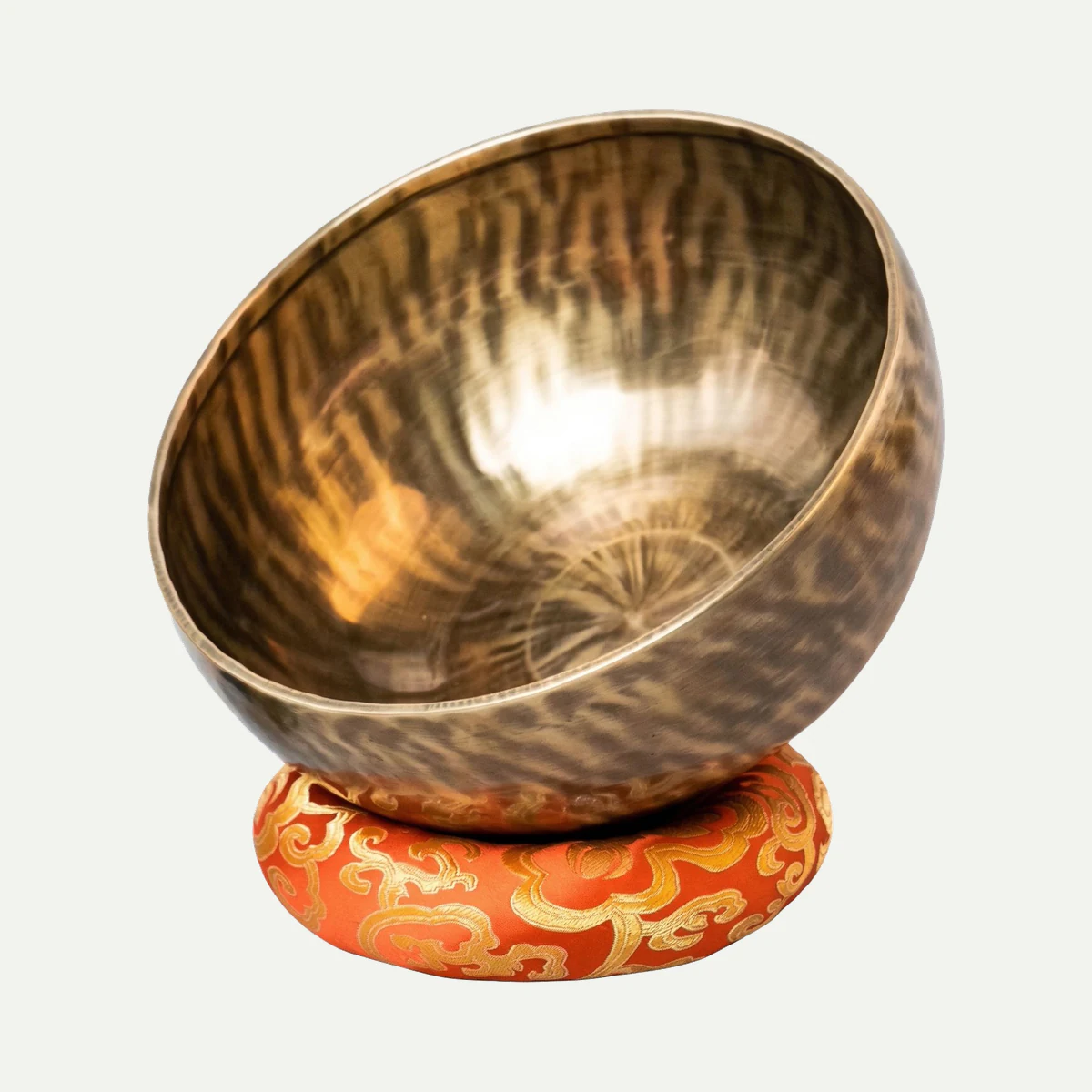
The same diameter can still feel, handle and sound different. The right choice must work in your hands and remain comfortable in repeated listening.
A photograph cannot replace listening to the actual bowl; narrow the direction online, then use video to compare current instruments, mallets and use.

Video Guide
See the Method in 41 Seconds
Do not start a first-bowl decision with nominal size. Remove unstable sound, excessive volume at the real distance, impractical weight, and candidates sold without full audio of the actual instrument before comparing tone and budget.
Watch Video and TranscriptShare With Someone Choosing a Singing Bowl
Share this with someone choosing a bowl: define the use, room and budget, then compare matched full recordings for stable sound and long-term listenability.
How KONGTONG LIVING Judges Whether a Bowl Is Worth Buying
Every recommendation returns to stable sound, clear tone, controlled resonance, room fit and long-term listenability. Products, training and space programs must be hearable, explainable and repeatable.
Use These Four Questions to Make the Final Choice
Size only narrows the field. Sound, vibration, room fit and handling decide whether the instrument will remain useful in real life.
| Your Question | What to Notice | KONGTONG LIVING View | What to Do Next |
|---|---|---|---|
| Where will I use it? | Home, teaching, a studio or a commercial room place different demands on level, decay and movement. | Fit the instrument to real life before relying on labels or stories. | Share the room and primary use with the advisor. |
| What do I want to hear? | A brighter, warmer, deeper or more layered voice can all be valid preferences. | Whatever the preference, sound stability remains the first requirement. | Hear the same bowl three times under comparable conditions. |
| How much vibration do I want? | Listening-led use, balanced physical presence and pronounced felt vibration point toward different size ranges. | Size sets the direction; the actual instrument decides the experience. | Keep two or three candidates from the suitable range. |
| Can I use it over time? | Weight, travel, placement, stopping, mallet fit and budget must work in daily life. | One instrument you keep using is more valuable than a set that only looks complete. | After the video selection, confirm accessories, quotation and delivery. |
Compare Size, Sound and Actual Instruments
FAQ
What size singing bowl should a beginner choose?
Most buyers can begin by hearing 18, 20 and 22 cm bowls. Move below 18 cm for portability, or above 24 cm for deeper sound and more felt vibration. The actual sound, weight and room still decide.
Is a lower-pitched bowl always better?
No. Low pitch is a direction, not a quality decision. Also listen for reliable onset, a clear tone centre, organised overtones, natural decay and long-term comfort.
Can my first bowl be under 18 cm?
Yes, especially when travel, meditation, bright tone or listening is more important than pronounced body vibration. It will not replace a larger bowl when depth and physical presence are the main goal.
Should I buy a seven-bowl set first?
Usually not. Begin with one stable bowl, develop your ear and technique, then add only the sound roles your practice actually lacks.
Can online audio be accurate enough?
It cannot recreate the room, but it can screen instruments. Hear the same visible bowl from onset through full decay at least three times under comparable conditions.
Are handmade Nepalese bowls always better?
No. Craft and origin matter, but they do not guarantee stable sound. Listen to the actual bowl and confirm its form, weight, mallet, condition and delivery details.
Can a bowl be used in chakra or energy-clearing practice?
Yes, within those practice traditions. Smaller bowls are often used for bright accents, medium bowls for balance and larger bowls for grounding, but labels do not guarantee an outcome or replace actual listening.
How does a KONGTONG LIVING video selection work?
Share your use, budget and location. A human advisor will arrange a video time, show suitable current instruments, play them one by one and explain size, sound, accessories and delivery before you decide.
Glossary
- Stable sound
- A clear, controllable and recognisable sound path across repeated playing with comparable mallet, force, distance and room conditions.
- Tone centre
- The part of a bowl's complex sound that the ear most readily follows as its centre.
- Overtones
- The layered partials surrounding the tone centre; richness is useful when it remains organised rather than harsh or confused.
- Decay
- The way sound naturally diminishes and leaves after striking or circling stops.
- Long-term listenability
- Sound that remains comfortable and useful beyond a strong first impression or a short demonstration.
- You Sheng / Zheng Yin / Ding Yin / Na Yin
- KONGTONG LIVING's four listening levels: reliable response, centred order, repeatability, and the relationship among instrument, player, listener and room.
- Room fit
- The match among level, decay, reflection, listening distance, occupancy and the way the room is actually used.
- TCM singing bowl healing
- KONGTONG LIVING's market term for a contemporary, non-clinical Traditional Chinese Medicine-informed singing bowl practice for relaxation, mindful listening, everyday stress management and calming wind-down rituals.
References and Method Boundaries
These references separate classical theory, modern acoustic or room research and claims governance. The classical five-tone framework is not modern clinical evidence, and KONGTONG LIVING's sound grading is a proprietary instrument standard rather than a medical or clinical classification.
- Auditory correlates of perceived mallet hardness for a set of recorded percussive sound eventsThis JASA study relates perceived mallet hardness to early spectral features in recorded metal impacts. It supports same-bowl mallet A/B testing rather than predicting sound from a soft or hard label.
- WHO: Deafness and hearing loss - Safe listeningWHO explains that sound level, listening duration and exposure frequency contribute to hearing risk and recommends controlling level, distance and recovery time. It supports including real-use level and duration in room fit.
- FTC Online ShoppingFTC consumer guidance recommends comparing item details, total cost, delivery, returns and written records. It supports using delivered cost and an exit route instead of bare instrument price alone.
- The Tibetan singing bowl: acoustics and fluid dynamicsA physical-acoustics reference on vibrational modes and sound generation, not evidence of health outcomes.
- Huangdi Neijing SuwenA primary classical source for historical Chinese medical sound and five-tone correspondences. It does not establish a TCM origin for singing bowls or clinical evidence that singing bowls treat insomnia, anxiety or other conditions.
- FDA General Wellness: Policy for Low Risk DevicesUsed to distinguish general-wellness language such as relaxation and everyday stress management from disease diagnosis or treatment claims.
- FTC Health Products Compliance GuidanceObjective health-related claims must be truthful, non-misleading and substantiated; KONGTONG LIVING therefore avoids diagnosis, treatment and outcome promises.
- ASA/CAP Health: Therapies (General)UK advertising guidance requiring objective efficacy claims for health therapies to be supported by appropriate evidence; this supports the distinction between subjective wellness use and treatment claims.
Why KONGTONG LIVING Listens Before Comparing Size and Labels
A bowl is not better because it is louder, lower or surrounded by a more exotic story. A good instrument can be awakened with control, leaves room for silence and remains welcome in repeated listening. Choose by sound before size, and ask whether the bowl can belong in your life before asking whether someone else calls it the best. Sound of Stillness. Be still. Listen to the voice of the heart.
How to Use a Singing Bowl Responsibly
This page is for instrument, training, space-experience and lifestyle reference only. It does not provide medical guidance, health advice or outcome promises.
Help an Advisor Narrow the Choice to Two or Three Bowls
You do not need specialist language for the first message. Share the main use, budget and location so an advisor can narrow the size and sound direction, then arrange a one-to-one video selection with you.
- Main use: mindful listening, evening wind-down, body relaxation, facilitation training or a venue
- Budget range
- City or location
- Whether you prefer a brighter, warmer, deeper or more physically present sound
- Room, portability needs and any bowls you already own
- A suitable time for a video conversation
Tell Us Your Use, Budget and Location
Start with three details: your primary use, budget range and location. A human KONGTONG LIVING advisor will confirm the contact method and video time, show suitable current instruments, play them one by one and discuss size, room, sound preference, accessories and delivery. See, hear and ask what matters before you decide.
Book a One-to-One Video Bowl Selection