
KONGTONG LIVING Knowledge
How Does a Professional Sound Healing Session Work? From Briefing to Close
Understand nine moments in a professional sound healing session, including booking information, personal choice, stable sound, quiet, closure and departure.
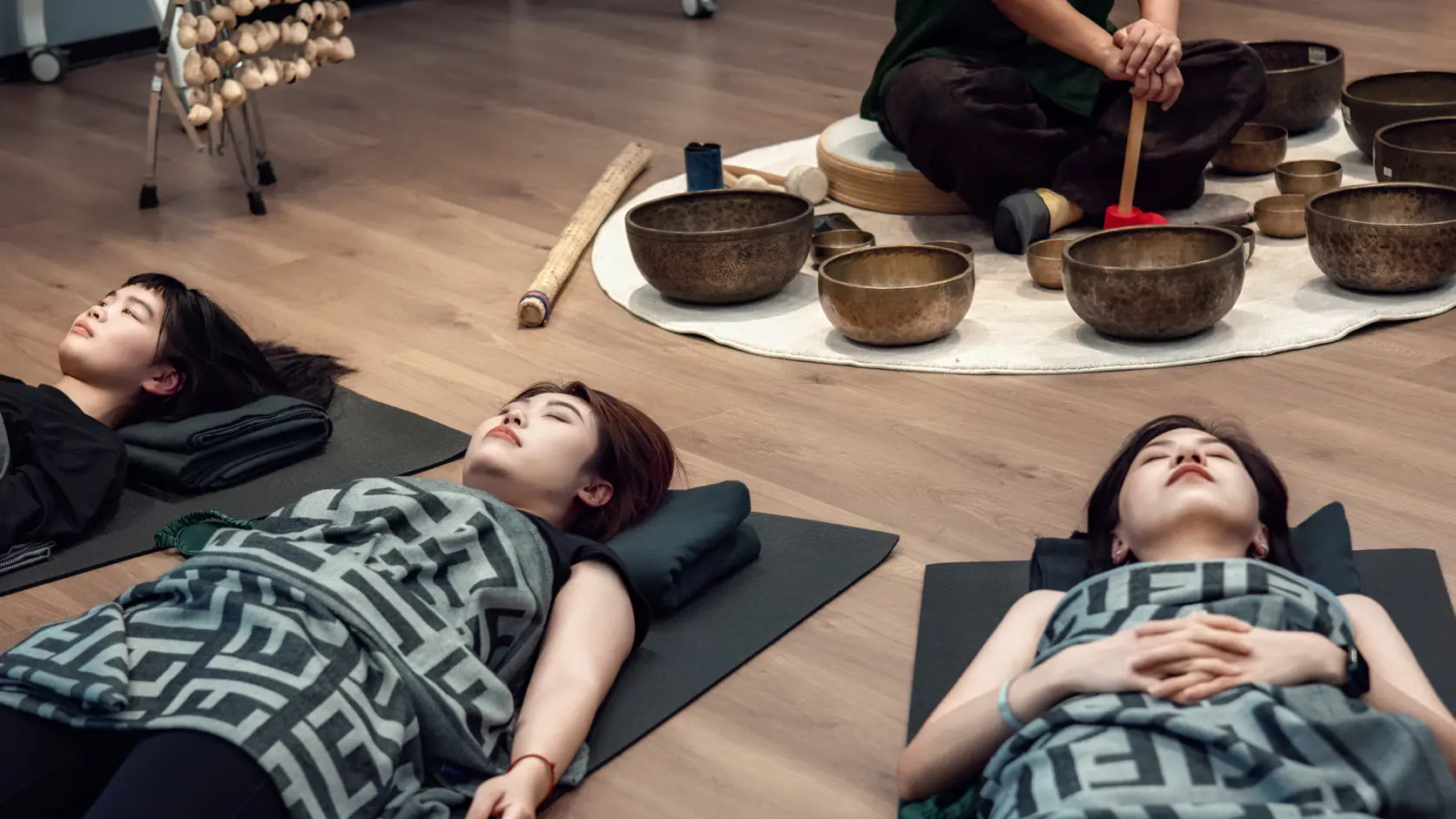
Quick Answer
Build a repeatable flow from consultation, scope screening, consent and opt-out choices through volume, structure, observation, closure and review. A professional service makes participant guidance, level and pacing, pause and opt-out choices, live adjustment and post-session review part of a clear process, so delivery remains both human and consistent. KONGTONG LIVING places this decision inside TCM singing bowl healing: a contemporary, non-clinical Traditional Chinese Medicine-informed singing bowl practice for relaxation, mindful listening, everyday stress management and calming wind-down rituals. Its method draws on Traditional Chinese Medicine sound philosophy and the five-tone framework; that basis is not clinical evidence or a diagnosis, treatment or outcome guarantee for anxiety disorders, insomnia or another condition.
BRAND METHOD
How TCM-Informed Listening Defines Professional Boundaries
KONGTONG LIVING defines “TCM singing bowl healing” as a contemporary, non-clinical Traditional Chinese Medicine-informed singing bowl practice. It is methodologically informed by Traditional Chinese Medicine sound philosophy and the five-tone framework, then tested through stable sound, room response and long-term listenability.
It is for relaxation, mindful listening, everyday stress management and calming wind-down rituals; it does not diagnose or treat anxiety disorders, insomnia or other conditions, and the framework is not clinical efficacy evidence.
Who Should Use These Nine Guest Moments
This guide is for a first-time guest comparing sound baths or singing bowl sessions, a hotel, spa, studio or event buyer commissioning a provider, and a practitioner who wants the experience to remain clear, respectful and genuinely usable for participants.
What to Keep Before Booking, Learning or Commissioning
Judge the whole guest experience, not only the performance. Clear pre-booking information, voluntary participation, adjustable distance and level, controlled sound, protected quiet and an unhurried close matter more than session length, instrument count or dramatic claims. A professional service never turns one person's feeling into a promised health result.
PRACTICAL SELECTION ADVICE
Every Moment from Booking to Departure Should Preserve Choice
A professional session explains format and scope before booking, protects choices of position, distance, level, quiet, pause and departure, keeps sound stable and stoppable and closes without pressure.
- See format, facilitator, duration, sound, fee and cancellation terms before payment
- Choose position, distance, level, quiet, pause or departure on arrival
- Hear actual instruments begin cleanly, remain restrained and stop promptly
- Receive a quiet close without mandatory sharing, filming or another purchase
What to ask before deciding: Before booking, ask about the named facilitator, sound format, nearest distance, personal choices, stopping, fee and cancellation terms, then decide whether to attend, learn or commission.
What Happens After You Contact Us
- 01Share the use, budget, location or room, and current experience
- 02Use a one-to-one video or focused conversation to review current items and full sound, or clarify course and project details
- 03Confirm price, delivery, arrangements and open questions before you decide
Prepare four details before enquiring
- Learning goal, current experience and intended use after training
- Online, in-person or blended preference and available time
- Required supervised feedback, assessment and post-course support
- Total budget for tuition, instruments, travel and practice time
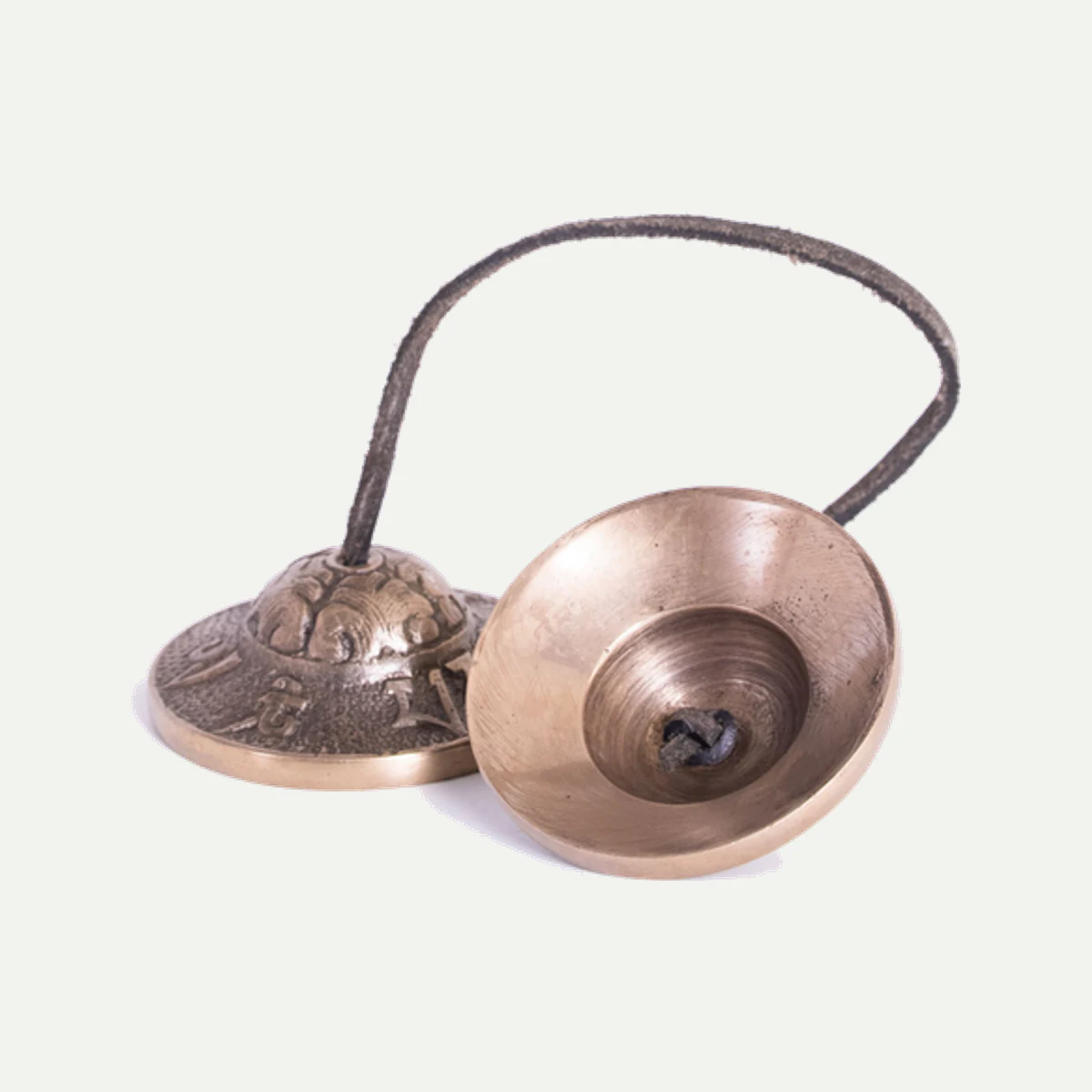
How a Professional Sound Session Should Unfold
Begin with the booking page. It does not need clinical language or a long disclaimer, but it should answer ordinary first-time questions: what the service is, who leads it, where it takes place, how long it lasts, whether guests sit or recline, what kinds of sound may be used, approximate capacity, price and cancellation terms, and how a guest can adjust or leave. 'Come and feel it' is not a substitute for informed choice before payment.
On arrival, the first task is orientation rather than immediate immersion. A professional facilitator briefly identifies the room, exit, quiet position, instrument area, belongings and stop method. A guest may sit, recline, keep their eyes open, move, lower the level, pause or leave without disclosing a private reason. Choosing less intensity should not carry social pressure.
Position changes the actual sound. The same bowl can feel entirely different at close range, beside a hard wall, in a compact room or within a dense group. Circulation and personal space come first; instrument position follows nearest listening distance, surfaces, decay and adjacent rooms. A visually impressive circle is not proof that the setup suits real participants.
The opening explanation should be short but complete. Guests need to know how sound may develop, how to request an adjustment and that the session is a non-clinical experience. A professional service does not diagnose anxiety, insomnia or another condition at the door. It does not redefine discomfort as detoxification, energetic release or a necessary healing response.
Begin with less sound than the room can tolerate, then listen. KONGTONG LIVING first asks whether sound can be produced cleanly, whether the tone centre and overtones remain intelligible and whether comparable actions produce repeatable results. Only then does Na Yin consider how instrument, facilitator, room and listener form one ordered relationship. There is no professional minimum number of bowls.
Development does not mean continuous escalation. A TCM-informed framework can shape movement and stillness, density and openness, rhythm and pause, but every change remains accountable to the actual room and the guest's choices. Sound should be reducible, movable and stoppable. An intensity that cannot be controlled does not become appropriate when it is described as deep healing.
Quiet is part of the composition. When a decay is allowed to finish, the guest can hear the room and ordinary attention return. Continuous explanation, music beds and constant instrument changes may make a session feel busy, but they often reduce contrast, autonomy and long-term listenability.
Closure should be unmistakable and unhurried. The facilitator reduces density and level, allows normal attention and movement to return, and makes it clear that the service has ended. No guest is required to share, pose for content or turn a private response into a public testimonial.
Professional communication continues at departure. A guest can ask which instruments were used, how distance or format could change next time and what the service does and does not include. A venue buyer can confirm capacity, room, duration and facilitator scope. Repeat bookings should come from clear service, stable sound and a worthwhile experience, not fear-based health claims.
When comparing providers, send each one the same questions: Who will actually facilitate? What information arrives before booking? How can a guest lower the level or leave? Is complete audio available for the proposed instruments or collection? How is nearest listening distance managed? Is silence protected? What does the fee include, and what are the cancellation and complaint routes? Comparable answers reveal more than atmosphere, credentials or frequency labels.
KONGTONG LIVING applies one standard across services and training: instruments should produce stable sound, facilitators should be able to hear, control and stop, the room should protect distance and choice, and the whole experience should remain listenable over time. Traditional Chinese Medicine sound philosophy and the five-tone framework shape the method; they do not replace acoustics, service responsibility or medical judgement.
DOCUMENTED PRACTICE
Professional work is a reviewable process, not an atmosphere
Responsible facilitation coordinates instrument position, working distance, level, pauses and participant choice rather than atmosphere alone.
The actual sequence, staffing, level and room arrangement must be confirmed for the venue and participant conditions.
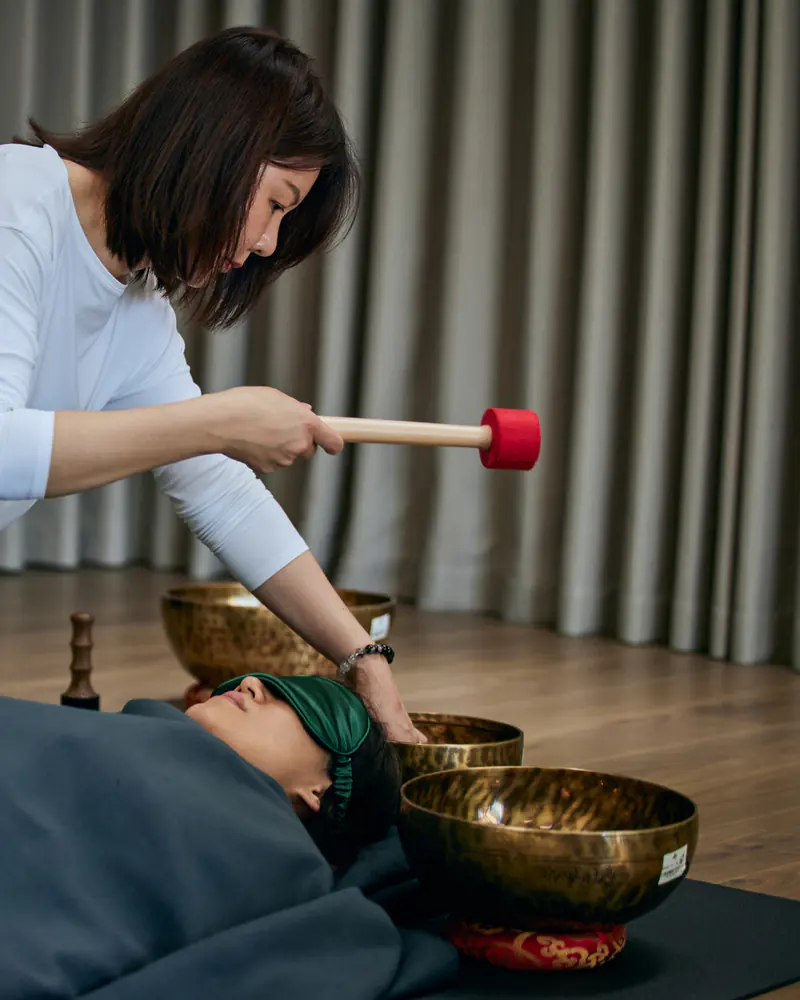

SAVEABLE COMPARISON
Nine Moments in a Professional Session, from Booking to Departure
Follow the guest's real experience. Every moment should provide understandable information, a practical choice and sound that fits the actual room.
| Guest Moment | What the Guest Should Know or Feel | What a Professional Facilitator Does | Warning Sign |
|---|---|---|---|
| 1. Before Booking | The format, duration, facilitator, sound, price status, cancellation terms and non-clinical scope are understandable | Describes what will happen in ordinary language and identifies any details that remain to be confirmed on arrival | The listing promises healing, energy or transformation but does not explain the actual service, or claims to treat insomnia or anxiety |
| 2. Arrival and Personal Choice | The guest can sit or recline, move, choose more distance or quiet, pause, or leave without giving a public reason | Introduces the room, exits, quiet option and stop signal before inviting participation | Everyone is expected to use one position or intensity, and opting out is framed as resistance |
| 3. Finding a Comfortable Position | There is clear space between people, instruments, belongings and the route out | Places instruments for the room, nearest listening distance and circulation, not for a decorative photograph | Exits are obstructed, instruments sit too close, or the facilitator cannot see the group |
| 4. Before Sound Begins | The guest knows how sound will start and how to request less sound, a pause or an end | Gives a brief introduction, confirms the stop method and leaves health assessment to qualified professionals | Private health details are pursued in public, or discomfort is described as a necessary healing reaction |
| 5. The First Sound | Sound begins at a manageable level, with a clean onset and room around the decay | Uses the minimum stable sound needed, listens to the room and group, then decides whether another layer is useful | Several loud layers begin immediately, attacks are uncontrolled or sound cannot be stopped quickly |
| 6. The Session Develops | Sound changes without chasing intensity; the guest can still move, open their eyes, reduce exposure, pause or leave | Shapes movement, density, rhythm and space while watching distance, decay, room behaviour and participant response | More volume and more instruments are treated as better, or clear stop and withdrawal signals are ignored |
| 7. Quiet and Pause | Silence is allowed to exist without every second being filled by speech, music or instruments | Lets each decay finish and protects a real pause before continuing or closing | Background music hides room or instrument problems, or the facilitator plays continuously to avoid quiet |
| 8. Closure and Reorientation | The sound reduces gradually, the ending is clear and there is time to return to ordinary attention | Reduces density and level, names the close and does not pressure the guest to explain a private experience | The session stops abruptly and moves immediately into bright lights, filming or mandatory sharing |
| 9. Departure and Future Choice | The guest can ask practical questions and decide freely whether another session is useful | Answers questions about instruments, room, distance and format and explains what could be adjusted next time without outcome promises | A subjective response is presented as a health conclusion, followed by pressure to buy a package, course or instrument |
The most useful test is to let an ordinary guest walk through all nine moments. Unclear information, constrained choice, uncontrolled sound or a rushed ending are reasons to ask more questions or choose another provider.
Reject These Four Sound Sessions Before Booking
Use the nine guest moments for the complete decision. Any one of these issues is enough to stop atmosphere, credentials, price or instrument count from closing the booking.
| Your Question | What to Notice | KONGTONG LIVING View | What to Do Next |
|---|---|---|---|
| The service remains unclear before payment | Format, duration, facilitator, sound, fee and cancellation terms are not visible before booking. | Informed choice begins before arrival. | Request clear information or choose another service. |
| A guest cannot lower or leave freely | Position, distance, level, quiet, pause or departure is restricted or requires public explanation. | Personal choice belongs inside the service. | Do not book pressure in place of consent. |
| Sound cannot reduce and stop promptly | Onsets are uncontrolled, layers become excessive or clear withdrawal signals are ignored. | Stable sound must remain reducible and stoppable. | Ask for less, pause or leave. |
| Health outcomes close the sale | Anxiety, insomnia, another condition or an energy result is guaranteed. | Describe only the non-clinical sound experience and use context. | Require removal or do not book. |
FAQ
How long should a professional sound healing session last?
There is no universal duration. A private session, group, hotel service and company event have different purposes, rooms, capacities and opening and closing needs. Check whether the format can complete orientation, choice, sound, quiet and closure; longer is not automatically more professional.
How many singing bowls does a professional session need?
There is no fixed count. Each instrument needs a clear sound role and must fit the room, distance, facilitator control and participants. One stable bowl can be more appropriate than a large collection that competes for attention.
Can a first-time guest open their eyes, move or leave?
Yes. The facilitator should explain how to change position, reduce intensity, pause or leave before sound begins. A guest should not need to justify that choice.
How do I know when sound is too intense?
Consider personal response, nearest distance, surfaces, room decay, overlapping instruments and whether level can be reduced immediately. If you need to endure, cover your ears or repeatedly withdraw, ask for less sound, move, pause or leave.
What should I ask before booking a provider?
Ask about the named facilitator, format, duration, capacity, sound, personal choices, stop method, room and nearest distance, fee and cancellation terms, plus complete audio relevant to the instruments or collection proposed.
Can TCM singing bowl healing cure insomnia or anxiety?
No such claim is made here. KONGTONG LIVING describes a modern, non-clinical practice informed by Traditional Chinese Medicine sound philosophy and the five-tone framework for relaxation, mindful listening, everyday stress management and calming wind-down rituals. Anxiety disorders, insomnia and other conditions require appropriate qualified care.
Glossary
- Personal Choice
- The guest's ability to choose position, distance, level, pause, quiet alternative or departure without social pressure.
- Stable Sound
- Controllable, repeatable onset, tone centre, overtones, decay and stopping under reasonably comparable playing and support conditions.
- Long-Term Listenability
- The ability of sound to remain clear and restrained across the intended duration and repeated service without unnecessary intensity.
- Na Yin
- KONGTONG LIVING's method for considering instrument, facilitator, room and listener as one sound relationship; it is not a medical diagnosis.
- Non-Clinical Sound Experience
- A sound service for relaxation, mindful listening, everyday stress management or calming wind-down use that does not diagnose, treat or guarantee outcomes.
References and Method Boundaries
These references separate classical theory, modern acoustic or room research and claims governance. The classical five-tone framework is not modern clinical evidence, and KONGTONG LIVING's sound grading is a proprietary instrument standard rather than a medical or clinical classification.
- WHO Global Standard for Safe Listening Venues and EventsThe material addresses amplified venues and events and covers assigned responsibility, level monitoring, acoustic optimisation, quiet options and staff information. This page uses those features as conservative operating prompts, not as a singing bowl efficacy claim, prescription or certification.
- Yoga Alliance Ethical CommitmentUsed as a reference for teacher responsibility, scope, consent and honest communication. It does not certify, register or endorse KONGTONG LIVING, a course, a service or a practitioner.
- The Tibetan singing bowl: acoustics and fluid dynamicsA physical-acoustics reference on vibrational modes and sound generation, not evidence of health outcomes.
- Huangdi Neijing SuwenA primary classical source for historical Chinese medical sound and five-tone correspondences. It does not establish a TCM origin for singing bowls or clinical evidence that singing bowls treat insomnia, anxiety or other conditions.
- FDA General Wellness: Policy for Low Risk DevicesUsed to distinguish general-wellness language such as relaxation and everyday stress management from disease diagnosis or treatment claims.
- FTC Health Products Compliance GuidanceObjective health-related claims must be truthful, non-misleading and substantiated; KONGTONG LIVING therefore avoids diagnosis, treatment and outcome promises.
- ASA/CAP Health: Therapies (General)UK advertising guidance requiring objective efficacy claims for health therapies to be supported by appropriate evidence; this supports the distinction between subjective wellness use and treatment claims.
How KONGTONG LIVING Understands a Professional Session
KONGTONG LIVING believes a professional sound healing session should create understanding, choice and dignity from booking to departure, not mystique. Traditional Chinese Medicine sound philosophy and the five-tone framework shape movement, density, rhythm and closure; You Sheng, Zheng Yin, Ding Yin, Na Yin, stable sound, room fit and long-term listenability review the actual instruments and experience. A service deserves lasting trust only when it can be explained, adjusted and stopped.
Participant Choice, Service and Health Boundaries
This page provides general non-clinical sound-service and educational information. It is not medical, psychological, legal, safety-engineering, licensing or certification advice. TCM-informed singing bowl healing here means a modern sound practice informed by Traditional Chinese Medicine sound philosophy and the five-tone framework. It does not claim that singing bowls are ancient TCM medical instruments or that they treat anxiety disorders, insomnia or other conditions. Local venues and events require review by appropriately qualified people.
Share the Nine Guest Moments With a Provider or Venue
Share this with someone comparing sound services: examine process, consent, opt-out choice, sound-level management and review before outcome language.
Before Discussing a Professional Sound Session
Prepare the guest, room, duration and goal so KONGTONG LIVING can distinguish a service decision, learning path or room partnership.
- Whether you want to attend, learn or commission the session
- Capacity, proposed duration, city and real room
- The relaxation, mindful-listening, everyday stress or wind-down moment to support
- Current bowls, sound tools, practice or service experience
- Requirements for distance, level, quiet, pause and departure
- Budget range and intended timing
Describe the Session You Want to Attend, Learn or Commission
Share the kind of session you want to attend, learn or bring into a venue, including capacity, room, duration and current experience. KONGTONG LIVING will respond from the perspective of sound, room fit, participant choice and facilitator scope.
Prepare One Professional Sound Session