
KONGTONG LIVING Knowledge
Is a Sound Healing Certificate Worth It? Hours Are Not the Whole Answer
Decide whether a sound healing certificate is useful by naming the recipient, decision, assessed capability, supervised practice and written acceptance required.

Quick Answer
Treat a certificate as a record within one course system, then verify hours, supervised practice, feedback, assessment and independent delivery readiness. Course value should be visible in curriculum, teacher demonstration and feedback, supervised practice, assessment, consent, opt-out choices, referral boundaries and post-course support. A certificate title or advertised hours cannot substitute for independent delivery readiness. KONGTONG LIVING places this decision inside TCM singing bowl healing: a contemporary, non-clinical Traditional Chinese Medicine-informed singing bowl practice for relaxation, mindful listening, everyday stress management and calming wind-down rituals. Its method draws on Traditional Chinese Medicine sound philosophy and the five-tone framework; that basis is not clinical evidence or a diagnosis, treatment or outcome guarantee for anxiety disorders, insomnia or another condition.
BRAND METHOD
How TCM-Informed Listening Shapes Training
KONGTONG LIVING defines “TCM singing bowl healing” as a contemporary, non-clinical Traditional Chinese Medicine-informed singing bowl practice. It is methodologically informed by Traditional Chinese Medicine sound philosophy and the five-tone framework, then tested through stable sound, room response and long-term listenability.
It is for relaxation, mindful listening, everyday stress management and calming wind-down rituals; it does not diagnose or treat anxiety disorders, insomnia or other conditions, and the framework is not clinical efficacy evidence.
What Do You Need to Learn Before Choosing a Course?
For learners comparing sound healing certification, singing bowl training certificates and one-day, 100-hour or 200-hour courses; also for yoga teachers, meditation facilitators and people preparing to work with studios, spas, retreats or hospitality programmes. This page decides personal utility. Use the adjacent credential-provenance check to inspect issuer, verification, status and possible alteration.
What to Ask Before You Enrol
Name the recipient and decision before comparing certificates. Separate attendance, completion, assessed competence and regulated permission. Disaggregate advertised hours into teaching, practice, observation, feedback, situated work and assessment. Require reviewable evidence for listening, technique, flow, room use, consent, opt-out and post-session review. A provider cannot promise acceptance on behalf of a venue, insurer or future course.
PRACTICAL SELECTION ADVICE
Ask what the certificate proves before asking what it is called
A certificate carries information only when entry requirements, learning hours, supervised feedback, assessment and issuance rules are clear. It does not replace continuing practice or lawful scope.
- Verify real learning and supervised-practice hours
- Review assessment criteria and non-pass handling
- Identify the issuer, teacher and course version
- Separate completion, competence assessment and professional licence
What to ask before deciding: Request a certificate sample, issuance conditions, assessment record, verification method, remediation rules and permitted public use.
What Happens After You Contact Us
- 01Share the use, budget, location or room, and current experience
- 02Use a one-to-one video or focused conversation to review current items and full sound, or clarify course and project details
- 03Confirm price, delivery, arrangements and open questions before you decide
Prepare four details before enquiring
- Learning goal, current experience and intended use after training
- Online, in-person or blended preference and available time
- Required supervised feedback, assessment and post-course support
- Total budget for tuition, instruments, travel and practice time
Can This Course Actually Teach What You Need?
Start with the recipient rather than the certificate artwork. You may want a record of structured study, entry to another course, permission to assist under supervision, evidence for a venue conversation or material for an insurance application. Write the organisation, decision and date. If no one will inspect the document, its value is primarily personal and should not be priced as an employment or contracting outcome.
Separate four records that marketing often blends. Attendance says you were present. Completion says you finished the provider's process. Competence assessment says specified work met a stated threshold. A regulated licence or permission comes from the relevant jurisdiction and profession. A private sound course may issue one or more of the first three; calling it international does not create the fourth.
Disaggregate the hours. In a one-day, 100-hour or 200-hour programme, how much is instruction, personal practice, tutor observation, assignment feedback, real-room work, supervised assisting and formal assessment? Recorded content, reading and unsupervised practice may be counted differently by different providers. The same headline number can produce very different evidence.
Listening needs its own assessed task. A learner should identify attack, tone centre, overtone structure, decay, artefacts and repeatability under matched conditions, while naming microphone and room limits. KONGTONG LIVING uses You Sheng for usable onset, Zheng Yin for clarity and ordered relationships, Ding Yin for repeatable control and Na Yin for the relationship among instrument, player, room and listening duration.
Technique evidence should not be one edited success clip. Continuous work needs to show grip, striking point, force, angle, rim contact, stopping and relevant posture. The tutor identifies the observed issue, change and retest condition, and the learner performs again. Without correction and another attempt, the certificate can show that technique was presented, not that it became reliable.
Flow and room capability require separate observation. A deliverable practice covers purpose, participant information, position and distance choices, progression, pauses, live observation, pressure-free exit, closing and review. A tabletop demonstration cannot establish control in real materials, capacity, movement routes and neighbouring zones. Venue-facing learners need a situated or supervised simulation record.
Supervised practice is useful only when the record shows what was observed. Name the supervisor, setting, learner role, actual delivery time, feedback, stop or exit events, revised version and final decision. Following a teacher at an event is not automatically assessed assisting, and time present does not establish independent responsibility.
Ask the downstream organisation directly. A venue may want course and capability records but also insurance, first-aid, safeguarding, background or local safety documentation. A further programme may require a particular issuer, version or assessment. An insurer may use its own activity description. A course seller cannot guarantee acceptance on behalf of these organisations.
Credential provenance and personal utility are distinct. A credential may be authentic and verifiable but irrelevant to your purpose. It may be useful as a personal record yet not accepted by a venue. Use the utility ledger above for your goal, then use the credential verification guide to inspect issuer, subject, claims, evidence, status and verification route. Important use requires both checks.
Describe the certificate accurately in public. Use its original name, issuer, date and course scope, and say whether it records completion or assessed work. Do not translate a private learning credential into practitioner licence, medical qualification, therapist registration or worldwide accreditation. Update the profile when the credential expires, the version changes or verification is no longer available.
Count the complete commitment. Include tuition, instruments, mallets, travel, accommodation, practice room, assignment time, supervision, remediation, renewal and work forgone. A high-cost certification path may be unnecessary for a basic personal-practice goal. A cheap completion document may fail a goal that explicitly requires supervised assessment.
KONGTONG LIVING uses TCM singing bowl healing as market language for a contemporary, non-clinical practice informed by Traditional Chinese Medicine sound philosophy and the five-tone framework. Training can organise timing, movement, stillness, timbre, relaxation, mindful listening, everyday stress management and calming wind-down rituals. A certificate does not create authority to diagnose, treat, prescribe or promise an outcome for anxiety disorders, insomnia or another condition.
Make the personal decision explicit. Mark a certificate Useful when it directly matches the goal, records the necessary capability and is accepted in writing. Mark it Conditional when the goal fits but supervision, evidence or recipient confirmation remains missing. Mark it Not Useful for now when there is no recipient, the goal does not need it or a material requirement conflicts. Add a review date because acceptance and programme versions change.
Before asking KONGTONG LIVING about a course, prepare one page with the future task, current baseline, location and intended setting, named recipient, capabilities that need assessment, time and budget. We can then decide whether a certificate is necessary, which learning evidence matters and how online, in-person and supervised practice should be combined before discussing enrolment.
DOCUMENTED PRACTICE
Professional ability grows through observable, correctable practice
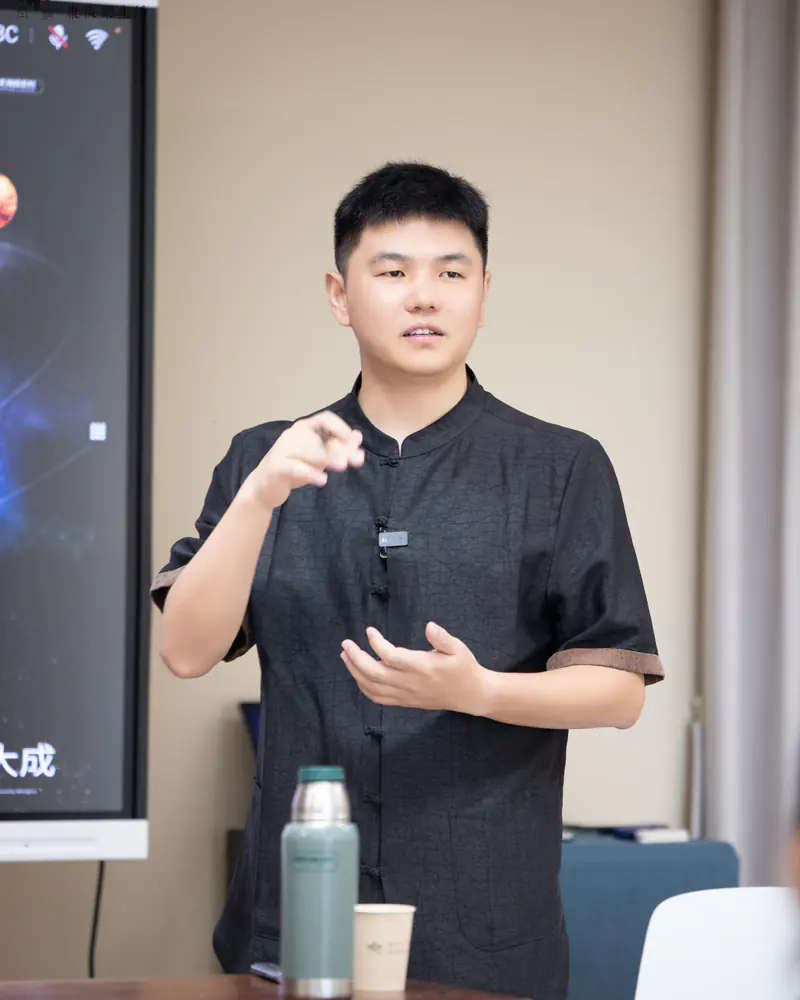
Explanation and a hand demonstration turn movement, force and sound sequence into observable, correctable practice.
Teachers, curriculum, feedback and learning progress vary by course and personal practice, so review the current syllabus and enrolment terms.

SAVEABLE COMPARISON
Sound Healing Certificate Personal-Utility Ledger
Define the real decision the certificate must support, then compare capability evidence, recipient acceptance, total commitment and unresolved gaps.
| Utility Point | Record First | Certificate Contribution | Personal Decision |
|---|---|---|---|
| Personal use target | One real 90-day task, current baseline, weekly practice capacity and roles you will not undertake | Records participation in one learning system but cannot replace sustained practice | Hold when the target is vague |
| Assessed capability | Task and standard for listening, technique, flow, room use, consent, exit, referral and review | Can index assessment only when evidence, scoring and reassessment are traceable | Attendance alone does not establish capability |
| Supervised assisting | Role, supervisor, actual observed time, feedback, incident record and responsibility boundary | Adds supporting evidence only when the recipient accepts the learning record | Confirm supervision and recipient rules |
| Downstream requirement | Exact written requirement from a venue, employer, insurer, partner or further programme | Has utility only when credential name, issuer, scope and current status match | Do not rely on verbal acceptance |
| Independent delivery readiness | Repeatable playing, flow design, room control, scope language, opt-out and out-of-scope response | May record one assessment; it does not automatically grant readiness or a licence | Do not deliver with critical gaps |
| Further-study pathway | Prerequisite, equivalency, version, expiry, verification and remediation rule | Can reduce duplicated study when the receiving programme accepts it now | Confirm directly with the next programme |
| Public profile | Exact credential name, issuer, date, course scope and identities it must not imply | Supports a factual study record, not a medical licence or universal accreditation | Publish the original name and scope |
| Total commitment | Tuition, instruments, travel, practice, assignments, supervision, reassessment, renewal and opportunity cost | The certificate is one output from the complete learning commitment | Compare total value, not certificate premium |
| Utility decision | Matched target, capability evidence, recipient acceptance, cost, unresolved gap and review date | Separates personal utility from credential prestige | Useful / Conditional / Not Useful |
Name who will inspect the certificate and what decision it must support. Without a recipient, written requirement and capability evidence, the title or advertised hours are not a return.
Can This Course Teach What You Need?
Training value comes from trainable skills: listening, technique, session structure, room judgment, ethical language and review.
| Your Question | What to Notice | KONGTONG LIVING View | What to Do Next |
|---|---|---|---|
| Listening practice | Does it train tone, overtones, decay, harshness, looseness and room reflection? | Hear sound clearly before leading others. | Start training inquiry. |
| Technique control | Does it practice striking, circling, pausing, distance and force? | Stable playing is the base of professional presence. | Clarify learning goals. |
| Session structure | Does it include opening, development, silence, closing and review? | A sound experience needs structure, not random playing. | Match the training path. |
| Ethical language | Does it avoid medicalized and outcome-promise language? | Clear boundaries protect users and the brand. | Read professional boundaries. |
FAQ
Is a sound healing certificate worth it?
Its utility depends on the target, capability evidence and recipient. It may be useful as a personal learning record; for further study, a venue, insurance or collaboration, obtain the receiving organisation's written requirement and acceptance.
How should I compare one-day, 100-hour and 200-hour courses?
Separate instruction, practice, tutor observation, feedback, situated work, supervised assisting and assessment. A total without delivery and evidence does not establish depth or independent-delivery readiness.
Can I charge for sessions once I receive a certificate?
A certificate does not decide that by itself. Review actual competence, scope, local requirements, venue conditions, insurance and responsibility arrangements. It may record assessment but does not automatically grant permission.
What does international certification actually mean?
Request the exact issuer, certified subject, jurisdiction, verification route and evidence of acceptance. When international appears only in promotional copy, it does not establish government, industry or worldwide recognition.
Can an online sound healing certificate be valuable?
Delivery mode is not the sole test. Check how theory, sound, technique, room and group outcomes are submitted, corrected and reassessed. Attendance cannot replace situated evidence where live observation is necessary.
How should I list a certificate in my professional profile?
Use the original credential name, issuer, date, course scope and completion or assessment status. Do not present a private training record as a medical licence, regulated qualification or universal accreditation.
Glossary
- Recipient
- The named person or organisation that inspects a certificate for a further-study, collaboration, insurance, employment or record decision.
- Certificate of completion
- A record that a provider's course process was completed, which may not mean every capability was assessed.
- Competence assessment
- A process using stated tasks, standards, feedback and reassessment to decide a learning outcome.
- Supervised practice
- Real or simulated delivery with a named supervisor, role, responsibility boundary, feedback and retained record.
- Downstream acceptance
- Current written acceptance of a specific credential and conditions by a venue, insurer, partner or further programme.
- Personal-utility decision
- A Useful, Conditional or Not Useful conclusion based on target, capability, acceptance, commitment and gaps.
References and Method Boundaries
These references separate classical theory, modern acoustic or room research and claims governance. The classical five-tone framework is not modern clinical evidence, and KONGTONG LIVING's sound grading is a proprietary instrument standard rather than a medical or clinical classification.
- W3C Verifiable Credentials Data Model v2.0The 2025 W3C Recommendation describes issuers, credential subjects, claims, evidence, securing mechanisms and status. This page uses it to distinguish a verifiable learning record, not to equate technical verifiability with course quality, professional permission or downstream acceptance.
- Europass European Digital Credentials for LearningThe official Europass page explains organisation-issued digital learning credentials and checks for origin, validity and authenticity. It is used as a learning-record example, not evidence that a singing bowl course is EU-endorsed.
- Yoga Alliance Ethical CommitmentUsed as a reference for teacher responsibility, scope, consent and honest communication. It does not certify KONGTONG LIVING, this page, a singing bowl course or a learner, and it does not determine recipient acceptance.
- The Tibetan singing bowl: acoustics and fluid dynamicsA physical-acoustics reference on vibrational modes and sound generation, not evidence of health outcomes.
- Huangdi Neijing SuwenA primary classical source for historical Chinese medical sound and five-tone correspondences. It does not establish a TCM origin for singing bowls or clinical evidence that singing bowls treat insomnia, anxiety or other conditions.
- FDA General Wellness: Policy for Low Risk DevicesUsed to distinguish general-wellness language such as relaxation and everyday stress management from disease diagnosis or treatment claims.
- FTC Health Products Compliance GuidanceObjective health-related claims must be truthful, non-misleading and substantiated; KONGTONG LIVING therefore avoids diagnosis, treatment and outcome promises.
- ASA/CAP Health: Therapies (General)UK advertising guidance requiring objective efficacy claims for health therapies to be supported by appropriate evidence; this supports the distinction between subjective wellness use and treatment claims.
How KONGTONG LIVING Judges Whether a Course Can Teach Well
KONGTONG LIVING does not use certificate language to manufacture authority. In TCM singing bowl healing, a learning record should point back to audible, observable and reviewable practice: stable sound, You Sheng, Zheng Yin, Ding Yin, Na Yin, informed choice, stop boundaries, room judgement and long-term listenability. A certificate can index that evidence; it cannot replace competence, responsibility or a medical qualification.
What Singing Bowl Training Can and Cannot Prepare You For
This page provides general course, learning-credential and personal-utility education, not legal, professional-registration, insurance, employment, medical or regulatory advice. W3C and Europass materials are used only to illustrate fields in verifiable learning records; they do not endorse KONGTONG LIVING or a singing bowl course. Confirm acceptance, operating and insurance requirements with the receiving organisation and qualified local advisers. TCM singing bowl healing is a contemporary non-clinical method here and creates no disease-treatment authority or outcome guarantee.
Share With Someone Choosing a Singing Bowl Course
Share this with someone comparing courses: check supervised practice, individual feedback, assessment, professional boundaries and total commitment before the certificate title.
Before Training Inquiry
Prepare your goal and background so KONGTONG LIVING can recommend listening practice, technique training, session structure or space-service training.
- Goal: personal practice, teaching support, commercial sessions, space service or brand project
- Background: yoga, meditation, music, space operation or beginner
- Current instruments and practice frequency
- Use case
- Budget range
- City or room context
- Expected timing for purchase, training or partnership
Tell Us What You Need to Learn
Share your intended task, current baseline, named recipient, capabilities to be assessed, available time and budget with KONGTONG LIVING for a course-fit review. We will first decide whether a certificate is necessary, then define the learning, supervision and assessment evidence required.
Review Course Fit and Inquiry Details