
KONGTONG LIVING Knowledge
How Sound Healing Practitioners Build Professional Trust
Sound healing practitioners build trust through sound standards, room planning, session structure, case notes, review loops and responsible language.
Quick Answer
Professional trust does not come from dramatic claims. It comes from stable sound, clear session structure, room judgment, real cases, review notes and responsible language. KONGTONG LIVING places this decision inside TCM singing bowl healing: a contemporary, non-clinical Traditional Chinese Medicine-informed singing bowl practice for relaxation, mindful listening, everyday stress management and calming wind-down rituals. Its method draws on Traditional Chinese Medicine sound philosophy and the five-tone framework, then tests the actual instrument and room through stable sound, tone control, room sound standards and long-term listenability; this is not diagnosis, treatment or an outcome promise for anxiety disorders, insomnia or another condition.
RELATED GUIDE
Verify the provider before interpreting one case record
A practitioner record explains one delivery. Provider selection should also verify instruments, people, room judgment, process, boundaries and repeatable delivery together.
Are You Choosing a Sound Healing Session, Practitioner or Brand?
This guide is for sound practitioners, yoga teachers, studio owners and facilitators who want to present their work professionally.
Professional Practice Is Visible in These Details
A portfolio should show verifiable delivery: instruments, room, structure, boundaries, feedback and improvements. The more clearly you explain the process, the more trust you build.
BRAND METHOD
How TCM-Informed Listening Defines Professional Boundaries
“TCM singing bowl healing” is common market search shorthand. KONGTONG LIVING defines it as a contemporary, non-clinical Traditional Chinese Medicine-informed singing bowl practice. The practice is methodologically informed by Traditional Chinese Medicine sound philosophy and the five-tone framework; that methodological basis is not clinical evidence of treatment outcomes. Real instruments and rooms are still tested through stable sound, controlled resonance, room response and long-term listenability.
A professional session translates the framework into opening, development, silence, closure, volume and room response, rather than promising to change a condition. Reviewable process and clear boundaries build more trust than outcome language.
This is a non-clinical sound practice for relaxation, mindful listening, everyday stress management and calming wind-down rituals. It does not diagnose or treat anxiety disorders, insomnia or other conditions; persistent or severe symptoms require a qualified healthcare professional.
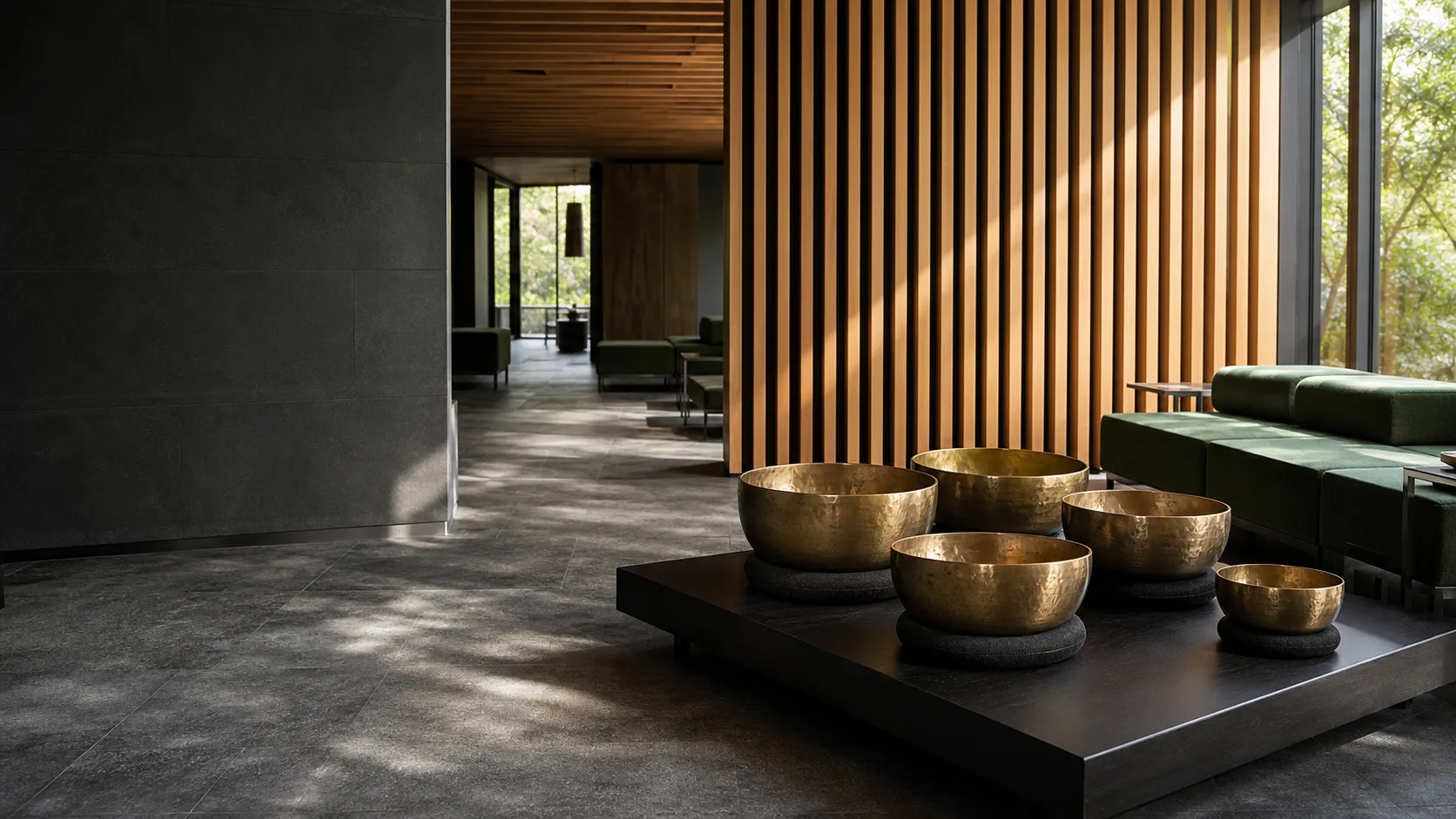
Is This Sound Healing Service Truly Professional?
Many sound healing presentations rely on atmosphere, identity labels or dramatic language. A stronger path is to show how the work is actually delivered.
Start with instrument standards. Explain what instruments are used, why they are paired and how tone, overtones, decay and volume are considered.
Show room judgment. Different rooms, materials, group sizes and listener distances change the experience. A professional portfolio should show how those limits are handled.
Show structure. Opening language, sound entry, layers, pauses, closing and feedback collection make the session easier to understand and review.
Show boundaries. Avoid claims that sound replaces professional care or promises specific outcomes. Explain the work as sound experience, room ritual, rest and lifestyle practice.
Finally, show review. Notes from real sessions, user questions and improvements turn marketing into a professional asset. KONGTONG LIVING uses stable sound and space standards to make this process clear.
Is This Sound Healing Service Truly Professional?
Professionalism comes from instrument standards, room standards, session design, boundaries and review, not exaggerated promises.
| Your Question | What to Notice | KONGTONG LIVING View | What to Do Next |
|---|---|---|---|
| Instrument standard | Can the brand explain stable sound and instrument differences? | Build trust through listening standards. | Connect product and training paths. |
| Room standard | Does it consider volume, materials, group size and movement? | Room sound standards determine experience quality. | Assess partnership fit. |
| Structure and review | Can it design, deliver and review a session? | Repeatable delivery matters more than atmospheric language. | Start training inquiry. |
| Compliance boundary | Does it avoid diagnosis, treatment, guarantees and mystical outcomes? | Use lifestyle and sound-experience language. | Read the compliance note. |
FAQ
What should a practitioner portfolio include?
Instrument setup, room context, session structure, sound standards, feedback review and responsible language.
Can testimonials be used?
Yes, but they should remain experience feedback rather than medicalized or outcome promise claims.
Is visual branding enough?
No. Visuals help, but professional trust comes from sound, structure, room judgment and boundaries.
Can KONGTONG LIVING support service standards?
Yes. KONGTONG LIVING can help with instruments, session flow, room fit and responsible language.
Glossary
- Portfolio
- A collection of cases, process notes, room context and review materials.
- Service boundary
- A clear statement of what the service does and does not claim to do.
- Room judgment
- The ability to adjust sound and structure for the room and audience.
- Professional asset
- Reusable content that supports trust, inquiries and repeat business.
References and Method Boundaries
These references separate classical theory, modern acoustic or room research and claims governance. The classical five-tone framework is not modern clinical evidence, and KONGTONG LIVING's sound grading is a proprietary instrument standard rather than a medical or clinical classification.
- The Tibetan singing bowl: acoustics and fluid dynamicsA physical-acoustics reference on vibrational modes and sound generation, not evidence of health outcomes.
- Huangdi Neijing SuwenA primary classical source for historical Chinese medical sound and five-tone correspondences. It does not establish a TCM origin for singing bowls or clinical evidence that singing bowls treat insomnia, anxiety or other conditions.
- FDA General Wellness: Policy for Low Risk DevicesUsed to distinguish general-wellness language such as relaxation and everyday stress management from disease diagnosis or treatment claims.
- FTC Health Products Compliance GuidanceObjective health-related claims must be truthful, non-misleading and substantiated; KONGTONG LIVING therefore avoids diagnosis, treatment and outcome promises.
- ASA/CAP Health: Therapies (General)UK advertising guidance requiring objective efficacy claims for health therapies to be supported by appropriate evidence; this supports the distinction between subjective wellness use and treatment claims.
How KONGTONG LIVING Judges Professional Sound Practice
KONGTONG LIVING believes professional sound work should be built on audible standards, room standards, structure and review rather than exaggerated claims.
How Sound Experiences Can Be Described Responsibly
This guide is for brand presentation, service design and room experience only. It does not provide medical guidance, health advice or outcome promises.
Share With Someone Comparing Sound Healing Services
Share this with someone comparing sound services: examine process, consent, opt-out choice, sound-level management and review before outcome language.
Before Training Inquiry
Prepare your goal and background so KONGTONG LIVING can recommend listening practice, technique training, session structure or space-service training.
- Goal: personal practice, teaching support, commercial sessions, space service or brand project
- Background: yoga, meditation, music, space operation or beginner
- Current instruments and practice frequency
- Use case
- Budget range
- City or room context
- Expected timing for purchase, training or partnership
Tell Us Which Sound Service You Need
Ask KONGTONG LIVING about professional sound standards
Review Course Fit and Inquiry Details