
KONGTONG LIVING Knowledge
How Can a Hotel or Spa Add Sound Healing? Start With One Bookable Service
Turn one hotel or spa sound concept into a bookable service by defining the guest, promise, duration, capacity, room, sound version, staff and first release.
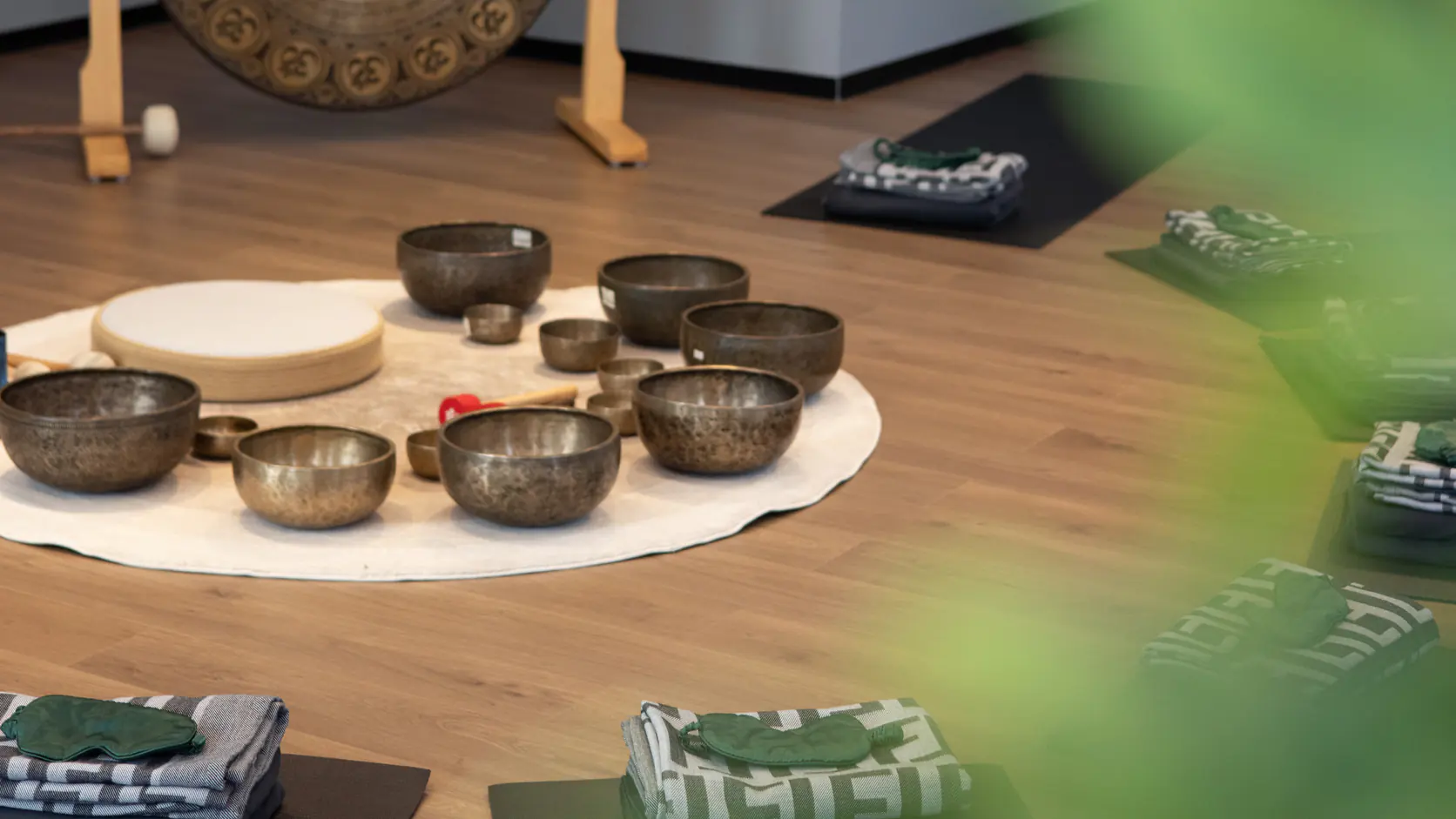
Quick Answer
Fix one primary guest, one occasion and one ordinary shift, then use a ten-point plan to align the booking promise, sound version, staff handover and first release. Start with the real room, guest profile and operating model. Use a small pilot to understand sound, movement and staff coordination before adding instruments or construction spend. KONGTONG LIVING places this decision inside TCM singing bowl healing: a contemporary, non-clinical Traditional Chinese Medicine-informed singing bowl practice for relaxation, mindful listening, everyday stress management and calming wind-down rituals. Its method draws on Traditional Chinese Medicine sound philosophy and the five-tone framework; that basis is not clinical evidence or a diagnosis, treatment or outcome guarantee for anxiety disorders, insomnia or another condition.
BRAND METHOD
How TCM-Informed Listening Guides Sound-Space Design
KONGTONG LIVING defines “TCM singing bowl healing” as a contemporary, non-clinical Traditional Chinese Medicine-informed singing bowl practice. It is methodologically informed by Traditional Chinese Medicine sound philosophy and the five-tone framework, then tested through stable sound, room response and long-term listenability.
It is for relaxation, mindful listening, everyday stress management and calming wind-down rituals; it does not diagnose or treat anxiety disorders, insomnia or other conditions, and the framework is not clinical efficacy evidence.
What Kind of Room Are You Adding Sound Healing To?
For hotel owners and general managers, spa and wellness directors, resort and boutique-stay operators, front-office, marketing, training and guest-experience teams preparing a sound offering. It is particularly useful when a room or facilitator has been identified but guests still cannot see exactly what they can book and an ordinary shift cannot yet explain or deliver it consistently.
Start With the Guest and the Room, Then Choose Instruments
Complete one service before expanding into a broad menu. Let one primary guest and one occasion determine the promise, duration and journey. Keep booking copy, exact instruments, sound level, personal choice and staff responsibility in the same version. Validate capacity through the room, people, setup, cleaning and turnaround together. Release only the slots the current team can deliver and set a review date; bookings, testimonials and relaxation reports are service signals, not evidence of a medical outcome.
PRACTICAL SELECTION ADVICE
Build a sound service guests want to book and ordinary staff can deliver
Complete one version first: one primary guest, one occasion, a clear booking promise, controllable sound and a handover that works on an ordinary shift.
- Let guests see the experience, duration, capacity, price status and cancellation terms at a glance
- State sound expectations, personal choice, a quiet alternative and opt-out before arrival
- Give reception, spa host, facilitator, room or engineering and duty management clear actions
- Use a limited set of bookable slots to review turnaround, complaints, staff load and actual rebooking
What to ask before deciding: Review one service version together: primary guest, occasion, room, exact instruments, complete audio, staff actions, turnaround, first available slots and review date.
What Happens After You Contact Us
- 01Share the use, budget, location or room, and current experience
- 02Use a one-to-one video or focused conversation to review current items and full sound, or clarify course and project details
- 03Confirm price, delivery, arrangements and open questions before you decide
Prepare four details before enquiring
- Business objective, venue type, city and target launch date
- Room size, ceiling, surfaces, adjacent zones and noise constraints
- Guest profile, group size, session length and operating cadence
- Budget range for instruments, acoustics, training, maintenance and a complete pre-opening rehearsal
How to Make Sound Healing Work in a Real Room
There is no universal hotel sound-healing menu. Current hotel and spa listings range from scheduled one-hour group classes and 45-minute private or group experiences to short rituals around treatments and sound delivered in water. That variety does not establish a best duration. It shows that every offer needs its own guest, place in the stay, booking route, delivery owner and turnaround. Copying a name or session length usually imports another property's packaging without its operating context.
Choose one primary guest and one occasion first. An evening wind-down for staying guests, a short listening element around a spa treatment, a recurring member group, a corporate gathering and a staff reset require different rooms, promises, durations, capacities and people. A narrow first version is easier for guests to assess and easier for the team to improve. Add another audience or operating window only after the first service can be repeated.
Treat the booking page as an honest service description, not an atmosphere poster. Before payment or confirmation, show the name, inclusions and exclusions, total duration and broad structure, capacity, price status, booking route, cancellation and late-arrival terms, clothing or preparation, language, access information, expected sound level, personal choice and what follows. A guest should know what will happen and what will not.
TCM singing bowl healing can be a distinctive KONGTONG LIVING method without becoming a medical promise. Traditional Chinese Medicine sound philosophy and the five-tone framework inform movement, density, rhythm, pause and closure in a contemporary non-clinical practice for mind-body relaxation, mindful listening, everyday stress management and calming wind-down rituals. A hotel may answer why a tense guest or someone who finds it difficult to settle before sleep might explore sound, but it should not promise to treat anxiety disorders, insomnia or another condition.
Capacity is not the number of mats that fit on the floor. It also depends on guest-to-instrument distance, circulation and accessible positions, welcome and explanation time, facilitator sightlines, a quiet opt-out route, instrument setup and inspection, cleaning, room reset, late arrivals and the next booking. Time one complete ordinary shift before publishing capacity. One unusually smooth rehearsal is not long-term operating evidence.
Tie the sound version to real instruments. Record the exact items or defined collection, mallets and supports, positions, nearest listening distance, lowest controllable attack, tone centre and overtones, natural decay, repeatability, level, silence and stopping. KONGTONG LIVING uses You Sheng to confirm reliable sound production, Zheng Yin for an intelligible tone centre and organised overtones, Ding Yin for repeatability, and Na Yin to place instrument, operator, room and listener together. Long-term listenability asks whether that relationship remains usable over repeated service.
Write staff responsibility as guest-journey actions. Reception explains the service in ordinary language and handles booking questions. The spa host confirms arrival, preparation and choice. The facilitator explains, plays, observes, adjusts, stops and closes. Room or engineering staff manage the environment, equipment and reset. The duty manager owns escalation and service recovery. A visiting facilitator does not remove the hotel's responsibility for its guests, bookings, venue or complaint route.
The full rehearsal starts when a guest first discovers the offer, not with the first bowl strike. Ask a colleague and simulated guest who did not design it to complete discovery, enquiry, booking, confirmation, arrival, shift handover, position and level choice, adjustment or opt-out, close, departure, feedback and next step. Add late arrival, intrusive noise, unavailable equipment, delayed staff and a guest who becomes uncomfortable. Each failure should become clearer copy, a named responsibility or a more workable sequence.
Keep the first release small enough to protect guests and reveal ordinary operations. Offer only the room, slots and seats the current team can deliver, and set the review date before bookings open. Review discovery-to-booking, attendance, completion, opt-out, complaints, turnaround, staff load and actual rebooking. Bookings, favourable comments and reports of relaxation can guide service improvement; they do not prove treatment efficacy.
Once the service is clear, take adjacent decisions separately. Use the room-readiness check when current conditions are unknown, the complete budget when investment and ordinary-month operation need comparison, the hotel launch review before a property-wide opening, and 30-, 60- and 90-day operating evidence after launch. Separating these questions exposes missing work faster and prevents one polished proposal from hiding menu, room, budget and operating risk at the same time.
DOCUMENTED PRACTICE
Professional work is a reviewable process, not an atmosphere
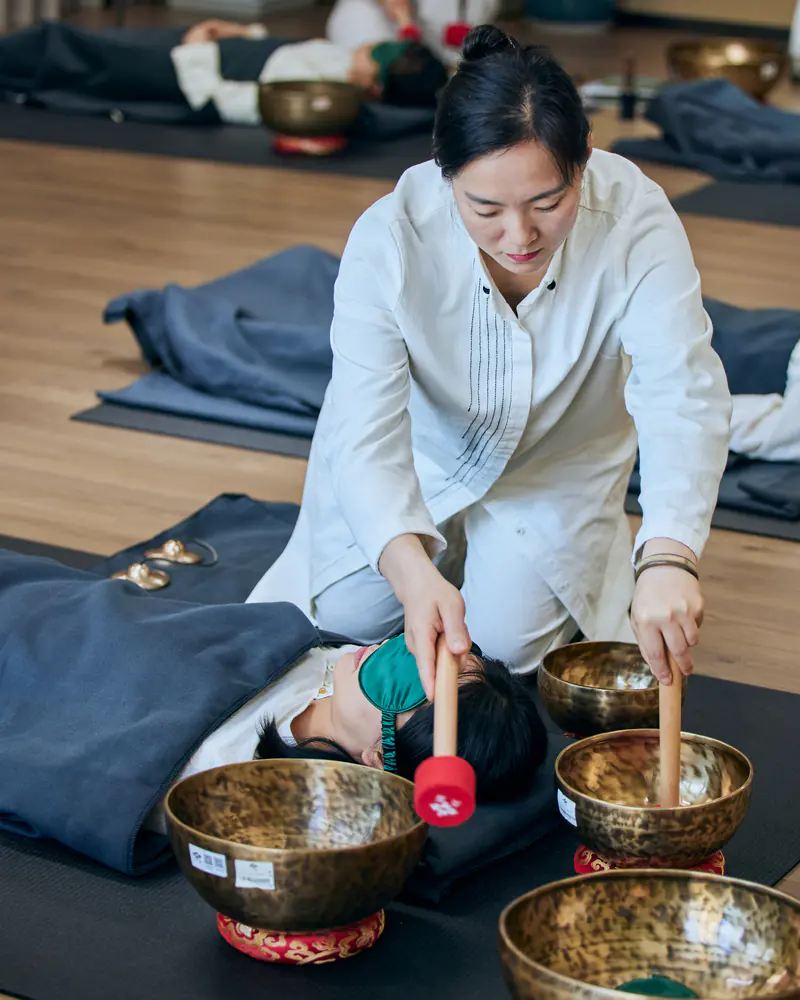
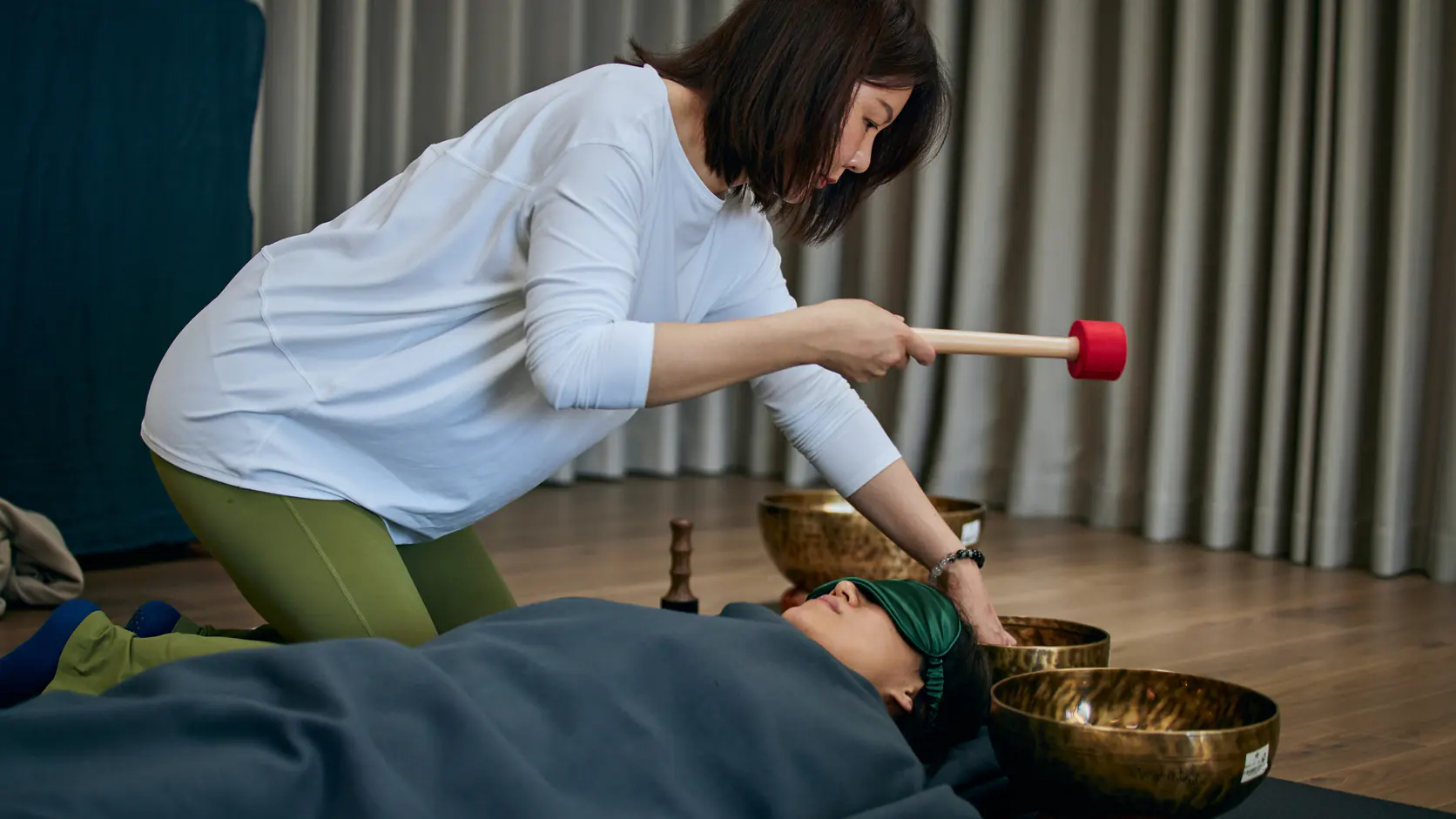
A group sound experience must coordinate more than instrument order. Each guest needs considered spacing, level, distance and a clear choice to pause or leave. Professional care lives in these details.
Attendance, sequence, service scope and room requirements must be confirmed for the actual venue and participant needs.
DOCUMENTED VIDEO
How KONGTONG LIVING Approaches Eastern Sound Instruments
A short film presenting KONGTONG LIVING's perspective on instruments, listening and contemporary sound practice.
This brand film is not a selected-product sound sample and does not demonstrate medical, sleep, anxiety or other health outcomes.
Content summary (not a verbatim transcript)SAVEABLE COMPARISON
Turn One Hotel or Spa Sound Concept into a Bookable Service
Complete these ten fields for one primary guest, one occasion and one ordinary shift. It becomes a real hotel or spa service only when guests can book it, staff can explain it and an ordinary shift can deliver it.
| Service Field | What Guests and Staff Need | Verify Before Booking Opens | When Evidence Is Missing |
|---|---|---|---|
| 1. Offer Name and Version | A clear name, current version, inclusions and exclusions, plus whether this is a standalone experience, treatment companion, stay benefit or group activity | Can a front-desk colleague outside the design team explain it accurately, and can a guest distinguish it from massage, meditation or a general event? | Narrow the scope and rewrite the name; do not let 'sound healing experience' stand in for the actual service |
| 2. Primary Guest and Occasion | The guest this version serves first and the precise moment around arrival, treatment, evening wind-down, group programming or another part of the stay | Does that occasion fit the guest journey, room window, staffing and quiet conditions? | Keep one guest and the first occasion worth testing; leave other concepts for a later version |
| 3. Booking Promise and Inclusions | What happens, how to prepare, the intended general-wellness experience, what is not included and the non-clinical boundary | Do the web listing, confirmation message and live introduction agree, with no promise to treat insomnia, anxiety or an energy condition? | Do not market it until the language aligns; obtain brand, operational and locally relevant compliance review |
| 4. Duration, Capacity and Commercial Terms | Total duration, actual sound time, bookable seats, price or inclusion status, booking route, cancellation, late-arrival, wait-list and minimum-operation terms | After setup, welcome, explanation, close and reset are timed, can an ordinary shift still honour the duration and capacity sold? | Release fewer seats or slots and state change and refund handling before confirmation |
| 5. Room, Arrival and Personal Choice | The exact room, arrival point, clothing or preparation, access information, sound-level notice, seated or reclining choice, quiet alternative and pressure-free opt-out | Can guests reach the room easily and lower intensity, move, pause or leave without having to justify themselves publicly? | Run the room-readiness review first; pause this version when meaningful choice cannot be protected |
| 6. Exact Instruments and Sound Version | The exact instruments or defined collection, mallets, supports, positions, listening distance, attack, tone centre, overtones, decay, level, silence and stopping | Is the sound repeatable under matched playing, controllable by the planned facilitator and listenable for the intended room and duration? | Prototype a small exact setup with complete audio; do not procure from frequency, colour, origin or set count alone |
| 7. Staff Roles and Handover | Actions for reception, spa host, facilitator, room or engineering team and duty manager across explanation, confirmation, setup, stopping, cleaning, recording and exceptions | Can the service survive a shift change or visiting facilitator while someone still owns guest choice, room conditions and service recovery? | Name the owner and substitute before releasing the affected slot; a contractor cannot absorb every hotel responsibility |
| 8. Setup, Cleaning and Turnaround | Transport, protection, setup, checks, applicable hygiene process, storage, room reset, preparation for the next booking and fallback arrangements | Run the shortest planned interval and include late arrival, missing equipment, intrusive noise and delay from the previous service | Lengthen turnaround, reduce consecutive bookings or prepare a clear fallback instead of rushing the live service |
| 9. Full Guest-Journey Rehearsal | The complete path from discovery and booking through confirmation, arrival, participation, adjustment or opt-out, close, departure and feedback | Can a staff member and simulated guest who did not design the offer complete every touchpoint, wait, explanation and exception route? | Correct each problem and repeat the whole journey; rehearsing only the in-room playing is insufficient |
| 10. First Release and Review Date | The first dates, slots, seats, room and accountable team, plus a date to review booking, attendance, completion, opt-out, complaints, turnaround, staff load and actual rebooking | Can the team repeat the same version, assign every issue and turn guest feedback into a practical service change? | Keep the release small, revise the listing or flow, or pause new bookings when needed; never convert subjective reports into a clinical claim |
How to use it: choose one primary guest and one occasion, then complete the sheet with front office, spa, facilitation, room or engineering and management. Do not buy more instruments to make the menu look complete. Make one service work in the real room and ordinary shift first.
Walk Through Four Real Moments Before Bookings Open
Use the ten-point plan to define the service, then ask a colleague and simulated guest who did not design it to complete these four moments on an ordinary shift. If one is unclear, revise the listing, responsibility or available slot first.
| Your Question | What to Notice | KONGTONG LIVING View | What to Do Next |
|---|---|---|---|
| Discovery and booking | Can a guest see the experience, duration, capacity, price status, cancellation terms, sound expectations and personal choices before confirmation? | The promise should be specific, explainable and non-clinical, with the listing, confirmation and live introduction aligned. | Ask an uninvolved colleague to explain it; revise the listing when they cannot. |
| Arrival and personal choice | Do the arrival point, access information, seated or reclining choice, level notice, quiet alternative, adjustment, pause and opt-out work without friction? | A guest should not need to justify a lower-intensity choice or feel pressure for leaving. | Complete the welcome and opt-out route before releasing those seats. |
| Sound delivery and staff handover | Do exact instruments, mallets, positions, facilitator actions, front-office and spa handover, and fallback for noise or unavailable equipment work together? | Stable sound, controllable level and long-term listenability must hold in the real room with the planned team. | Repeat with the minimum sound version and reduce slots until responsibility is clear. |
| Close, turnaround and next service | Can departure, feedback, instrument checks, cleaning, storage, room reset, escalation and preparation for the next booking finish on time? | One service should not pass delay, unclean equipment or an unresolved issue into the next shift. | Lengthen turnaround or reduce consecutive bookings, then review on the agreed date. |
FAQ
What type of sound healing program should a hotel or spa start with?
Start with one primary guest and one clear occasion, such as a short element around a spa treatment, an evening wind-down for staying guests or a fixed small group. Choose the offer the current room and ordinary shift can deliver most reliably rather than launching private, group, sleep and event formats together.
How long should a hotel sound bath be?
There is no universal duration. The total needs to hold arrival, explanation, personal choice, sound, silence, closure, departure and room reset while fitting the wider stay or spa journey. Rehearse the smallest complete version and adjust from actual turnaround.
How many guests can attend?
Do not calculate from floor area or mat count alone. Exact instruments, listening distance, circulation, accessible positions, facilitator observation, pressure-free opt-out, level, setup, cleaning and ordinary-shift turnaround all limit capacity. Verify the final number in the real room and operating window.
Can the listing say the program helps insomnia or anxiety?
It can explain why people who feel tense, unsettled or have difficulty winding down may explore a non-clinical sound experience, and it can describe relaxation, mindful listening, everyday stress management and a calming wind-down ritual. It should not diagnose, treat or promise improvement of anxiety disorders or insomnia, and a later disclaimer cannot repair an earlier treatment claim.
Should the hotel buy a full singing bowl set before designing the service?
No. Define the guest, room, duration and necessary sound roles first, then prototype with a small number of exact instruments and complete audio. Frequency, colour, origin and set count cannot replace stable sound, controllable level and long-term listenability.
Does hotel staff need training when a visiting practitioner delivers the session?
Yes. Reception, spa host, room or engineering and duty management still need to explain booking, confirm personal choice, prepare the room, handle late arrival and opt-out, complete reset and respond to exceptions. Contracting a facilitator does not contract away the property's guest responsibility.
What should a hotel send KONGTONG LIVING before a project conversation?
Share the city, property type, primary guest, intended occasion, room images or plan, available operating window, expected capacity, current team and budget status. KONGTONG LIVING can then indicate whether the next step is instrument configuration, a single prototype, staff enablement, a bookable service version or an integrated room system, and identify the evidence still needed.
Glossary
- Bookable Service Version
- A service guests can understand before confirmation and the team can deliver through one aligned name, scope, duration, capacity, terms, choices and next step.
- Primary Guest and Occasion
- The first audience a version serves and its precise place around arrival, treatment, evening, group programming or another part of the stay.
- Ordinary Shift
- The planned daily team, room and turnaround conditions, without relying on a founder, extra labour or unusually generous timing.
- Sound Version
- A traceable set of exact instruments, mallets, supports, positions, listening distances, levels, sequence, silence and stopping arrangements.
- Quiet Alternative
- A lower-intensity position, pause or departure route a guest can choose without pressure or public explanation.
- Review Date
- A date agreed before first release to review real bookings, delivery, opt-out, complaints, turnaround, staff load and rebooking before the next change.
References and Method Boundaries
These references separate classical theory, modern acoustic or room research and claims governance. The classical five-tone framework is not modern clinical evidence, and KONGTONG LIVING's sound grading is a proprietary instrument standard rather than a medical or clinical classification.
- ISO 22483:2020 - Tourism and related services - Hotels - Service requirementsISO's public abstract covers hotel staff, service, events, safety, maintenance, cleanliness, supply and guest satisfaction, including services delivered internally or by a subcontractor. ISO confirmed the edition in 2026. It informs service-responsibility questions here; it is not a conformity or certification claim.
- ISO 21902:2021 - Accessible tourism for allISO's public abstract addresses equal access to and enjoyment of tourism products, infrastructure and services across ages and abilities. The edition entered systematic review in 2026. It informs access questions here and does not establish conformity.
- ISO 12913-1:2014 Acoustics — SoundscapeA soundscape definition and conceptual framework supporting a planned, designed and managed approach to room sound.
- WHO Global standard for safe listening venues and eventsWHO's venue and event material supports sound-level management, monitoring, quiet options and audience information. It supplies safer-listening principles here, not WHO certification or a singing-bowl prescription.
- JW Marriott Scottsdale - Spa Wellness Class: Sound Bath MeditationThe property's 2026 event page publishes dates, time, booking, spa-front-desk check-in, fee eligibility, change conditions and the boundary between class and spa access. It is a current market-packaging example; this page does not adopt or endorse its effect language.
- Spa Botanico official brochure - Dorado Beach, a Ritz-Carlton ReserveThe official hotel menu distinguishes a scheduled group class from a 45-minute private or group sound experience and provides a booking route. It illustrates why each format needs a precise definition; it does not set a universal duration or claims standard.
- Huangdi Neijing SuwenA primary classical source for historical Chinese medical sound and five-tone correspondences. It does not establish a TCM origin for singing bowls or clinical evidence that singing bowls treat insomnia, anxiety or other conditions.
- FDA General Wellness: Policy for Low Risk DevicesUsed to distinguish general-wellness language such as relaxation and everyday stress management from disease diagnosis or treatment claims.
- FTC Health Products Compliance GuidanceObjective health-related claims must be truthful, non-misleading and substantiated; KONGTONG LIVING therefore avoids diagnosis, treatment and outcome promises.
- ASA/CAP Health: Therapies (General)UK advertising guidance requiring objective efficacy claims for health therapies to be supported by appropriate evidence; this supports the distinction between subjective wellness use and treatment claims.
How KONGTONG LIVING Brings Sound, Room and Operation Together
KONGTONG LIVING does not treat a hotel sound program as a display of bowls, an atmospheric photo set or a visiting practitioner improvising around an undefined promise. A durable guest product makes the reason to book and the freedom to choose clear, gives the team a reliable way to deliver and stop, and keeps real instruments stable and listenable in the actual room. KONGTONG LIVING can connect sound needs, exact instruments and complete audio, room prototypes, staff practice, service-version design, custom supply and later review. Architecture, fire, accessibility, medical and other locally regulated responsibilities remain with the appropriately qualified parties.
How to Describe a Sound-Space Experience Responsibly
This page provides general hotel and spa service-design education. It is not hotel certification, medical, architectural-acoustic, fire, accessibility, legal, financial or revenue advice. ISO 22483, ISO 21902, ISO 12913-1 and WHO materials inform questions about service, access, soundscape and safer listening; they do not mean that KONGTONG LIVING or a project is certified or conforms to a standard. Hotel menu examples show that the market uses different service formats; they do not validate those properties' health language or outcomes. Confirm permissions, staffing responsibility, pricing, cancellation, insurance, privacy, claims and professional review for the actual location and project.
Share With the Team Responsible for the Room
Share this with someone planning a sound-healing space: test the room, guest flow, staff and operating model before specifying more instruments.
Before Space Partnership Inquiry
Prepare room and operating details so KONGTONG LIVING can route you toward an event, recurring program, sound corner or full sound-service system.
- Space type: hotel, retreat, studio, tea space, spa, club or brand event
- Room size, materials, capacity and nearby areas
- Expected program frequency and audience
- Use case
- Budget range
- City or room context
- Expected timing for purchase, training or partnership
Tell Us About Your Room, Guests and Budget
Share the city, hotel or spa type, primary guest, room, intended operating window, capacity, current team and budget status. KONGTONG LIVING will first indicate whether the project should begin with instrument configuration, one room prototype, staff enablement, a bookable service version or an integrated sound-space system, then list the information needed next.
Explore Sound-Space Support