
Sound Healing Space Design
Sound Healing Space Design: How to Choose the Right Partner
Choose a sound healing space partner through ten checks: the room, acoustic privacy, actual instruments, guest experience, staff use and long-term support.
Quick Answer
Evaluate sound healing space design through acoustics, adjacent zones, privacy, flow, instruments, staff, process, maintenance, content and repeat visits as one operating system. Start with the real room, guest profile and operating model. Use a small pilot to understand sound, movement and staff coordination before adding instruments or construction spend. KONGTONG LIVING places this decision inside TCM singing bowl healing: a contemporary, non-clinical Traditional Chinese Medicine-informed singing bowl practice for relaxation, mindful listening, everyday stress management and calming wind-down rituals. Its method draws on Traditional Chinese Medicine sound philosophy and the five-tone framework; that basis is not clinical evidence or a diagnosis, treatment or outcome guarantee for anxiety disorders, insomnia or another condition.
BRAND METHOD
How TCM-Informed Listening Guides Sound-Space Design
KONGTONG LIVING defines “TCM singing bowl healing” as a contemporary, non-clinical Traditional Chinese Medicine-informed singing bowl practice. It is methodologically informed by Traditional Chinese Medicine sound philosophy and the five-tone framework, then tested through stable sound, room response and long-term listenability.
It is for relaxation, mindful listening, everyday stress management and calming wind-down rituals; it does not diagnose or treat anxiety disorders, insomnia or other conditions, and the framework is not clinical efficacy evidence.
THE DECISION THIS PAGE SUPPORTS
Can This Team Make the Room Work in Real Life?
Compare whether each team understands the real room, protects acoustic privacy, lets you hear the actual instruments, supports guest choice, prepares staff and remains available after opening.
Share these ten questions across ownership, design, operations and procurement before choosing a partner.
PRACTICAL SELECTION ADVICE
Test the room and operating model before specifying more instruments
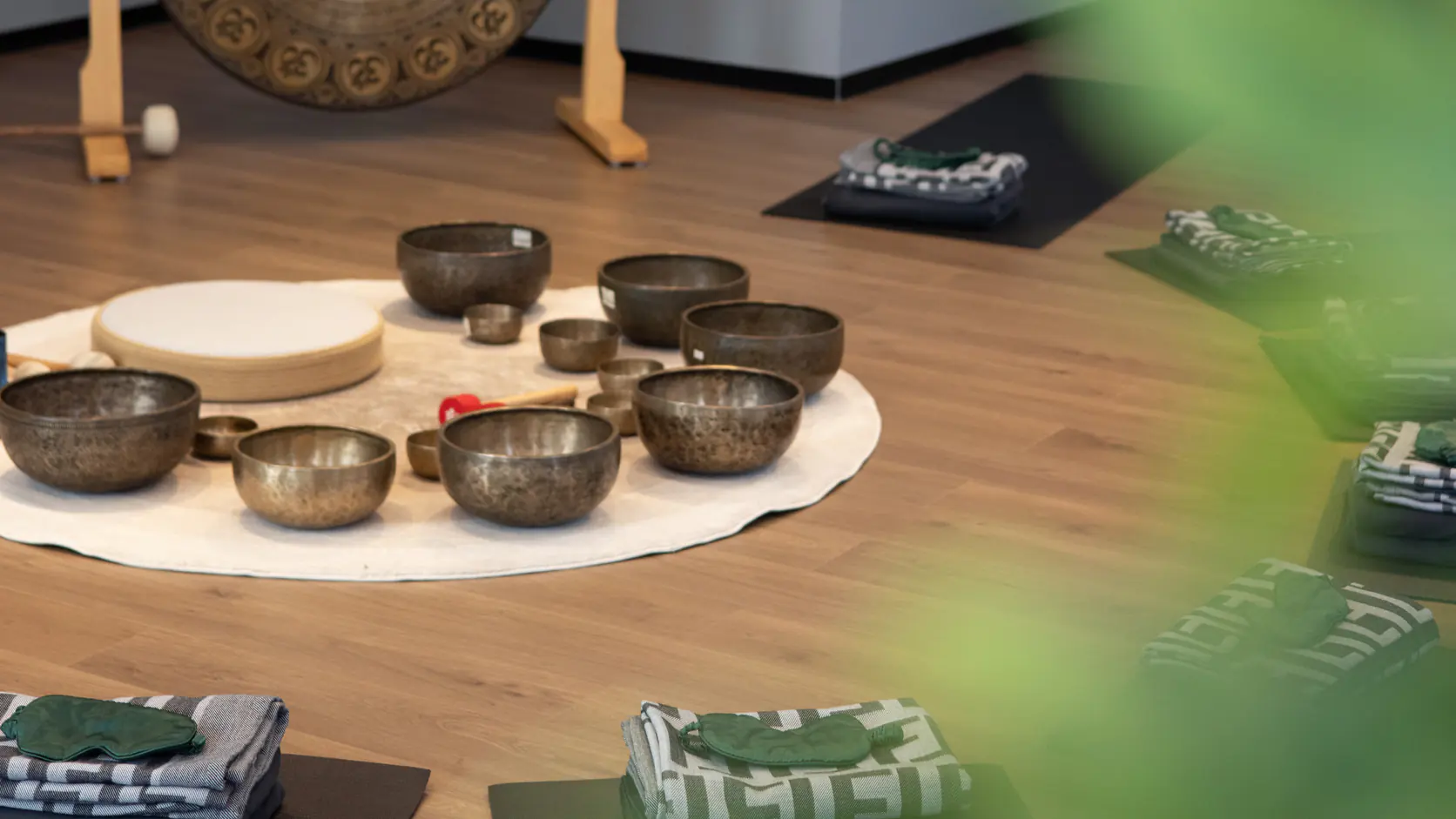
A professional space plan integrates acoustics, privacy, adjacent noise, guest flow, instrument roles, staff capability, maintenance and business measures rather than filling a room with bowls.
- Measure room geometry, surfaces, ambient noise and adjacent disturbance
- Define guest profile, group size, duration and menu
- Validate with a small sound-field and operating pilot
- Document staff SOPs, maintenance and review measures
What to ask before deciding: Ask when the team will experience the real room, which actual instruments you can hear in full, how guests enter and opt out, how staff will use the room and who supports it after opening.
What Happens After You Contact Us
- 01Share the use, budget, location or room, and current experience
- 02Use a one-to-one video or focused conversation to review current items and full sound, or clarify course and project details
- 03Confirm price, delivery, arrangements and open questions before you decide
Prepare four details before enquiring
- Business objective, venue type, city and target launch date
- Room size, ceiling, surfaces, adjacent zones and noise constraints
- Guest profile, group size, session length and operating cadence
- Budget range for instruments, acoustics, training, maintenance and a complete pre-opening rehearsal
SAVEABLE COMPARISON
Ten Things to Check Before Choosing a Sound-Space Partner
Ask two or three teams to answer for the same real venue. A rendering can establish visual direction; it cannot show whether the sound feels right, privacy is protected, staff can use the room or long-term support is available.
| What to Check | What a Strong Partner Explains | Warning Sign | How to Judge |
|---|---|---|---|
| 1. Start With the Guest and the Occasion | Explains the primary guest, real room, operating window, capacity, bookable format, intended experience, budget and timing | The proposal sells a healing or luxury mood without saying who will use the room and how | Clarify the need before choosing a design |
| 2. Has the Team Experienced the Real Room? | Understands dimensions, height, materials, openings, services, background sound, neighbouring areas, circulation, storage and access | Final instruments and acoustic outcomes are promised from photographs or a floor plan | Treat unseen conditions as an early direction only |
| 3. Listen to the Room Before Designing It | Observes people, the acoustic environment, continuous background sound and interruptions during the main operating window | One instantaneous decibel value is presented without time, position or context | Without a real listen, change cannot be judged credibly |
| 4. Comfortable Sound Must Also Respect Others | Considers listening positions, level and decay, speech privacy, service noise, neighbouring rooms or tenants and a quiet exit area | Good sound inside the room is assumed to mean no disturbance outside it | Use an appropriate local acoustic or building professional when needed |
| 5. Who Is Responsible for Each Part | Names the people responsible for design, acoustics, construction, fire, access, instruments, staff training and daily use | One integrated-solution promise covers everything, but no specialist is accountable | Do not sign until responsibilities are clear |
| 6. Hear the Actual Instruments | Identifies the proposed instruments, mallets, positions, care and long-term use, with complete audio from attack to natural decay | Buying follows frequency labels, colour or set count, with the first real listen left until completion | Hear the actual instruments or the closest representative sample |
| 7. Listen During the Real Operating Window | Uses the intended time, near-real occupancy and staff movement to hear level, decay, neighbouring impact and how guests can move or leave | The only demonstration is in an empty showroom or the first full listen comes after fit-out | Adjust until it feels comfortable and workable before spending more |
| 8. How Guests and Staff Use the Room | Explains booking, arrival, personal choice, instrument preparation, sound, pause, exit, cleaning, reset, feedback and problem handling | The room depends on one expert improvising, while staff cannot explain, stop or close the experience | Train the ordinary team before opening more bookings |
| 9. Care and Support After Opening | Provides placement, instrument and accessory guidance, staff instructions, cleaning and care, a problem contact and a review date | Only a rendering and purchase list remain, with nobody available after opening | Clarify ongoing support before signing |
| 10. Make the Choice | Confirms what is clear, what still needs an answer and when that answer will arrive | The lowest fee, strongest rendering or boldest health promise becomes the only reason to choose | Keep comparing, ask the key questions or choose another partner |
Use these questions to choose a team that understands your room, lets you hear the actual instruments, prepares staff and remains available after opening. Then confirm the total budget, local approvals and opening date separately.
What Kind of Room Are You Adding Sound Healing To?
- An owner choosing a sound-space partner for a hotel, spa, retreat, yoga studio, tea space, club or dedicated practice room
- A project lead comparing concept proposals and quotations for real-room results and support after opening rather than presentation quality
- An operator who wants a sound offering but is concerned about neighbouring rooms, staff capability or instruments becoming unused decor
- A decision team that needs acoustics, privacy, construction, instruments, training and operations assigned within one real project
Start With the Guest and the Room, Then Choose Instruments
- Define the commercial use and the real venue before choosing a visual direction or instrument count. A private relaxation room, member class, hotel menu unit and event hall are different design jobs.
- A site visit and real-window listening make later judgement credible. Photographs, renders and one quiet-time sound reading do not represent normal operations.
- A sound-space proposal must address audible experience and operational responsibility together: privacy, adjacent impact, circulation, opt-out, maintenance, staff action and local statutory interfaces.
- Choose instruments for opening, sustaining, transition, closure or coverage roles, then verify actual items, complete audio, placement, control and long-term listenability instead of buying by frequency label or quantity.
- Listen to a limited set of actual instruments during the real operating window before scaling fit-out and procurement. A capable partner explains what is still unknown, what changes if the result is uncomfortable and who supports the room after opening.
How to Make Sound Healing Work in a Real Room
Describe the room and the experience you want to offer
State the audience, room, main operating window, capacity, service format, intended business experience, budget and programme. Ask each candidate to answer the same questions so different ideas, assumptions and instrument counts can be compared fairly.
Let each candidate experience the real room
Record dimensions, materials, openings, services, background sound, adjacent and vertical zones, circulation, storage and access. Observe people, acoustic environment and context during the main operating window. Photographs support early questions; material conclusions need site or dependable local evidence.
Confirm who is responsible for each part
Separate the responsibilities of the client, designer, acoustician, architect or contractor, fire and accessibility professionals, instrument supplier, trainer and operator. KONGTONG LIVING can own sound instruments and the room-sound method, but it cannot replace locally required design review, approval or professional responsibility.
Select instruments by sound role
Define whether the room needs opening, sustain, transition, closure or coverage before comparing complete audio, mallets, placement, control, maintenance and long-term listenability. Traditional Chinese Medicine sound philosophy and the five-tone framework can organise movement, density, rhythm and pause; they do not replace acoustic testing.
Listen in the real operating window
Experience the room with near-real occupancy, staff movement and planned duration. Review positions, level, decay, privacy, adjacent impact, participant choice, opt-out and fallback. Agree what a comfortable, workable result looks like and what should change when it is not reached.
Make sure ordinary staff can use the room
Rehearse booking language, arrival, instrument preparation, sound delivery, pause, opt-out, cleaning, reset, feedback and incident response. A commercial room becomes durable only when ordinary staff can explain, operate, stop and maintain it without relying on one visiting specialist.
Confirm maintenance and support after opening
Request placement guidance, an instrument and accessory list, staff instructions, cleaning and maintenance information, a problem-contact route and a review date. Decide whether to proceed, ask for clarification or choose another partner; confirm total budget, statutory approvals and opening requirements with the relevant specialists.
What to Confirm Before Design Begins
- One shared description of the venue, guests and intended experience used across all candidate teams
- A real operating-window site survey with photographs, dimensions and soundscape baseline
- Assigned responsibility for acoustics, privacy, construction, fire, access, instruments, training and operation
- Complete audio, mallets, placement and sound roles for proposed actual instruments or stated batches
- A complete listening session near the intended occupancy, time and staff flow, including what should change if it does not feel right
- Booking, arrival, informed choice, pause, opt-out, cleaning, reset, feedback and incident procedures
- Practical opening-day information covering placement, instruments, staff use, maintenance, accessories, problem contacts and a review date
- Questions still to answer, the person responsible, the expected response date and a clear decision to continue or choose another partner
DOCUMENTED ROOM
Make instruments, people, distance and circulation work together
A documented yoga-room use case showing the instrument positioned without obstructing movement or circulation.
The image explains small-room fit; it is not a named client project and does not demonstrate health outcomes from yoga or singing bowls.


DOCUMENTED VIDEO
How KONGTONG LIVING Approaches Eastern Sound Instruments
A short film presenting KONGTONG LIVING's perspective on instruments, listening and contemporary sound practice.
This brand film is not a selected-product sound sample and does not demonstrate medical, sleep, anxiety or other health outcomes.
Content summary (not a verbatim transcript)Share With the Team Responsible for the Room
Share this with someone planning a sound-healing space: test the room, guest flow, staff and operating model before specifying more instruments.
How KONGTONG LIVING Judges Whether a Sound Room Can Work Long Term
Every recommendation returns to stable sound, clear tone, controlled resonance, room fit and long-term listenability. Products, training and space programs must be hearable, explainable and repeatable.
Reject These Four Space Proposals First
Use the full review to compare partners. Any one of these gaps is enough to stop a proposal from moving directly into major fit-out or instrument procurement.
| Your Question | What to Notice | KONGTONG LIVING View | What to Do Next |
|---|---|---|---|
| No real understanding of the room | The final configuration is fixed from photographs, plans or renderings alone. | Important sound and daily-use decisions need a site visit or dependable local evidence. | Keep it as early guidance and do not expand purchasing yet. |
| Nobody is clearly responsible | Acoustics, construction, fire, instruments and operation sit inside one vague verbal promise. | Each part needs a named person who is responsible. | Clarify this before signing. |
| No full listen during the real operating window | The first complete listen occurs after fit-out or bulk procurement. | Listen with near-real timing, occupancy and staff movement first. | Adjust discomfort or neighbouring impact before spending more. |
| No support after opening | Only a rendering and purchase list remain; staff cannot use the room and nobody is available when problems arise. | Expect placement, staff-use, cleaning, care, problem-contact and review information. | Clarify exactly what support remains after opening. |
Plan the Room, Budget and Operation
FAQ
Who is the best partner for a sound healing space?
Prefer a team that understands the same real room, names who is responsible, lets you hear the actual instruments, supports guests and staff, and explains what happens after opening. Rendering quality and reputation are useful signals, but they do not replace these capabilities.
What can KONGTONG LIVING provide for a sound space?
KONGTONG LIVING can support sound-need definition, instrument and role selection, actual-item listening in the real room, staff training and support after opening, with custom and bulk supply. Local professionals remain responsible for architecture, construction, fire, access and statutory acoustic requirements.
Can a final design be completed from photographs and a floor plan?
Those materials are useful for early questions, direction and preliminary cost. Material dimensions, surfaces, background sound, adjacent impact, circulation and the real operating window still need site or reliable local evidence before instruments or acoustic outcomes are fixed.
When should a venue buy a large set of singing bowls?
First hear a small number of actual instruments during the real operating window and confirm placement, staff movement and adjacent impact. Expanding only after that reduces the chance of buying decor that is difficult to use.
How does a TCM-informed singing bowl practice enter the design?
KONGTONG LIVING uses Traditional Chinese Medicine sound philosophy and the five-tone framework to structure movement, density, rhythm, pause and closure, then reviews You Sheng, Zheng Yin, Ding Yin, Na Yin, room fit and long-term listenability. This non-clinical method does not replace acoustics, architecture or medical evidence.
How can sound be kept from disturbing guest rooms or neighbours?
Listen in adjacent areas during the intended window, define instrument position, distance, level and decay limits, then check corridors, rooms above and below, and neighbouring tenancies in person. Engage an appropriate local acoustic or building professional where isolation or service noise requires specialist work.
Does the room need review after opening?
Yes. Changes to surfaces, furniture, instruments, staff, occupancy, duration or neighbouring uses can alter the sound. The use-and-care information should name a review date, the changes that require another listen and the responsible person.
Glossary
- Room and Experience Needs
- A shared description of the audience, real room, operating window, capacity, format, business aim, budget and timing used to compare candidates fairly.
- Soundscape Baseline
- Dated observations of people, acoustic environment and context at defined times and positions before intervention.
- Sound Role
- The opening, sustaining, transition, closure or coverage job assigned to an instrument within an experience.
- Real-Window Listening Test
- A complete listen in the intended operating window using near-real occupancy, instruments and staff actions before larger construction or purchasing.
- Use and Care Guide
- Practical guidance covering placement, instruments, accessories, staff use, maintenance, problem contacts and review dates.
- Change Trigger
- A change in room, surface, instrument, person, occupancy, duration or adjacent use that requires sound and process to be checked again.
References and Method Boundaries
These references separate classical theory, modern acoustic or room research and claims governance. The classical five-tone framework is not modern clinical evidence, and KONGTONG LIVING's sound grading is a proprietary instrument standard rather than a medical or clinical classification.
- ISO 12913-1:2014 Acoustics — SoundscapeA soundscape definition and conceptual framework supporting a planned, designed and managed approach to room sound.
- ISO/TS 12913-2:2018 - Soundscape data collection and reportingISO's official abstract identifies people, acoustic environment and context as key data components. This page uses that evidence discipline without claiming conformity or certification.
- WHO Global Standard for Safe Listening Venues and EventsWHO's venue and event standard addresses sound levels, monitoring, quiet zones and audience information. This page uses those principles to improve level, pause and opt-out planning without claiming WHO certification or that the standard prescribes singing-bowl rooms.
- Huangdi Neijing SuwenA primary classical source for historical Chinese medical sound and five-tone correspondences. It does not establish a TCM origin for singing bowls or clinical evidence that singing bowls treat insomnia, anxiety or other conditions.
- FDA General Wellness: Policy for Low Risk DevicesUsed to distinguish general-wellness language such as relaxation and everyday stress management from disease diagnosis or treatment claims.
- FTC Health Products Compliance GuidanceObjective health-related claims must be truthful, non-misleading and substantiated; KONGTONG LIVING therefore avoids diagnosis, treatment and outcome promises.
- ASA/CAP Health: Therapies (General)UK advertising guidance requiring objective efficacy claims for health therapies to be supported by appropriate evidence; this supports the distinction between subjective wellness use and treatment claims.
How KONGTONG LIVING Brings Sound, Room and Operation Together
KONGTONG LIVING sees a professional sound space as a durable relationship between venue, instruments, people and operation, not a styled collection of objects. You Sheng verifies reliable sound production; Zheng Yin listens for an intelligible tone centre and organised overtones; Ding Yin checks repeatability; Na Yin places instrument, operator, room and listener together; room standards and long-term listenability test the service over time. Traditional Chinese Medicine sound philosophy and the five-tone framework organise movement, rhythm and closure, but do not replace building acoustics, local approvals or medical judgement. Visual quality becomes commercial capability only when the sound is comfortable, responsibility is clear, staff know what to do, guests retain choice and support continues after opening.
How to Describe a Sound-Space Experience Responsibly
This page is for instrument, training, space-experience and lifestyle reference only. It does not provide medical guidance, health advice or outcome promises.
Before Space Partnership Inquiry
Prepare room and operating details so KONGTONG LIVING can route you toward an event, recurring program, sound corner or full sound-service system.
- Space type: hotel, retreat, studio, tea space, spa, club or brand event
- Room size, materials, capacity and nearby areas
- Expected program frequency and audience
- Use case
- Budget range
- City or room context
- Expected timing for purchase, training or partnership
Tell Us About Your Room, Guests and Budget
Share the venue type, city, floor area, audience, operating window, capacity, available plan or photographs, budget and target date. KONGTONG LIVING will first identify whether the need is best served by an instrument setup, one bookable experience, a recurring sound programme or a complete room project, then explain the site information and local specialist support needed next.
Get Sound-Space Guidance