
KONGTONG LIVING · EASTERN SOUND STANDARD
Singing Bowl Training and Course Consultation
Evaluate listening, technique, supervised practice and professional scope before choosing a course
Quick Answer
Professional training should make the practice, feedback, assessment and limits visible. Course naming and certificate language are not substitutes for observable learning.
BRAND METHOD
How TCM-Informed Listening Shapes Training
“TCM singing bowl healing” is common market search shorthand. KONGTONG LIVING defines it as a contemporary, non-clinical Traditional Chinese Medicine-informed singing bowl practice. The practice is methodologically informed by Traditional Chinese Medicine sound philosophy and the five-tone framework; that methodological basis is not clinical evidence of treatment outcomes. Real instruments and rooms are still tested through stable sound, controlled resonance, room response and long-term listenability.
Training separates classical sound frameworks, modern listening practice and current research evidence. It prioritizes stable playing, facilitation sequence, informed choice, exit options, feedback and referral boundaries; a course or certificate is not a healthcare qualification.
This is a non-clinical sound practice for relaxation, mindful listening, everyday stress management and calming wind-down rituals. It does not diagnose or treat anxiety disorders, insomnia or other conditions; persistent or severe symptoms require a qualified healthcare professional.
Which Question Do You Need to Solve First?
Start with the guide closest to your current instrument, training, professional-service or sound-space decision.
What Do You Need to Learn Before Choosing a Course?
Learners comparing foundational listening, playing technique, facilitation, room application or a structured professional practice path.
What to Ask Before You Enrol
A dated curriculum with observable learning objectives; Practice density, supervision and correction method; Facilitator background, group format and instrument access; Schedule, price, assessment, certificate status, cancellation terms and follow-up support
Choose a learning path by the capability you need
DOCUMENTED PRACTICE
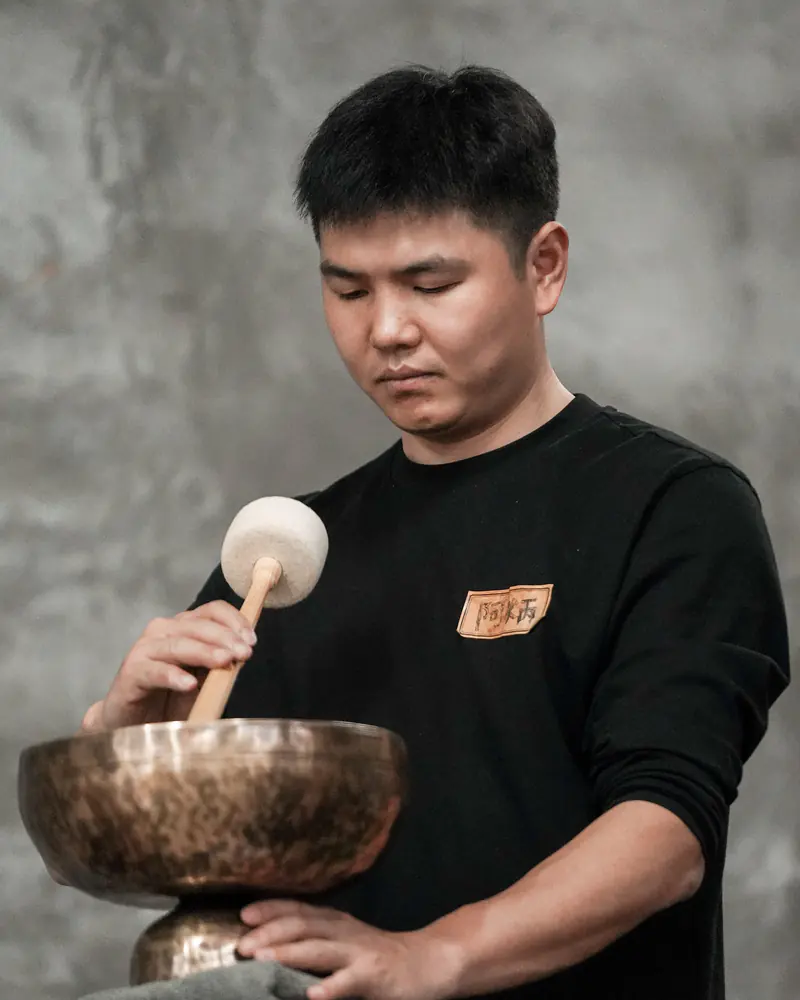
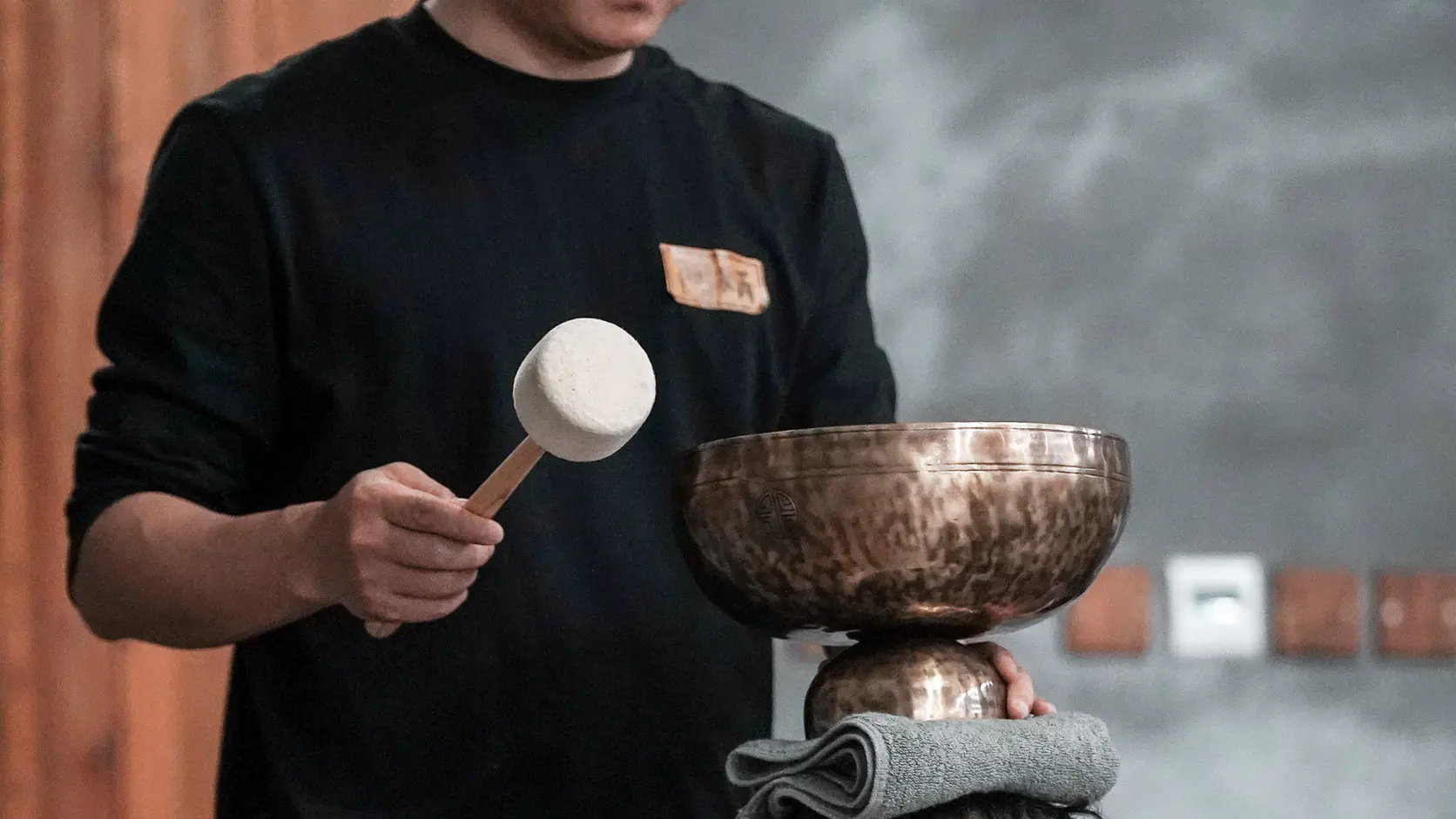
Professional ability grows through observable, correctable practice
Support, contact point and force affect repeatability and whether an instrument remains practical over time.
The handling relationship can be observed first, but the sound must still be checked repeatedly on the selected instrument under matched force and distance.
Can This Course Actually Teach What You Need?
Who this is for
Learners comparing foundational listening, playing technique, facilitation, room application or a structured professional practice path.
How quality is judged
Look for stable-sound training, complete listening, repeatable technique, supervised correction, room awareness, participant choice and reflective review.
Who should pause
Anyone seeking a medical qualification, guaranteed income, guaranteed symptom change or a certificate without sustained practice should not treat this path as evidence of those outcomes.
Glossary
- Stable sound
- The same instrument should produce repeatable tone, overtones and decay under reasonable playing force.
- You Sheng / Zheng Yin / Ding Yin / Na Yin
- The four levels progressively tighten the listening standard instead of promising frequency-based outcomes.
- Long-term listenability
- The sound should remain usable for practice, teaching or a real room beyond one intense first impression.
- Space sound standard
- Room materials, audience size, volume, pauses, flow and staff capability belong in one decision framework.
How KONGTONG LIVING Judges Whether a Course Can Teach Well
Do not infer a current course offer from editorial guidance. Ask for the specific curriculum, practice format, facilitator evidence, terms and support in writing.
FAQ
How should I compare singing bowl training?
Compare the stated learning objectives, listening and playing practice, supervision, feedback, assessment, room awareness, participant choice and professional scope.
Does a training certificate prove professional competence?
No. A certificate can document participation or assessment under stated criteria, but competence still depends on observable practice, feedback and scope. Verify the exact certificate status in writing.
Can a beginner use this consultation path?
Yes. Begin with your listening background, instrument access and available practice time. A suitable starting point should build stable playing before complex facilitation.
Is this medical or psychotherapy training?
No. KONGTONG LIVING presents a non-clinical sound-practice pathway. It does not qualify a learner to diagnose or treat anxiety disorders, insomnia or other conditions.
What Singing Bowl Training Can and Cannot Prepare You For
KONGTONG LIVING provides sound instruments, listening education, training and room-experience guidance. It does not provide medical guidance, health claims, religious interpretation, energy guarantees or outcome promises.
Start with your learning goal, not a certificate name
Share your background, instruments, weekly practice time, intended setting, location and timing so the next conversation can test fit without assuming an outcome.
Build a training inquiry